
Wooden Cooking Utensils
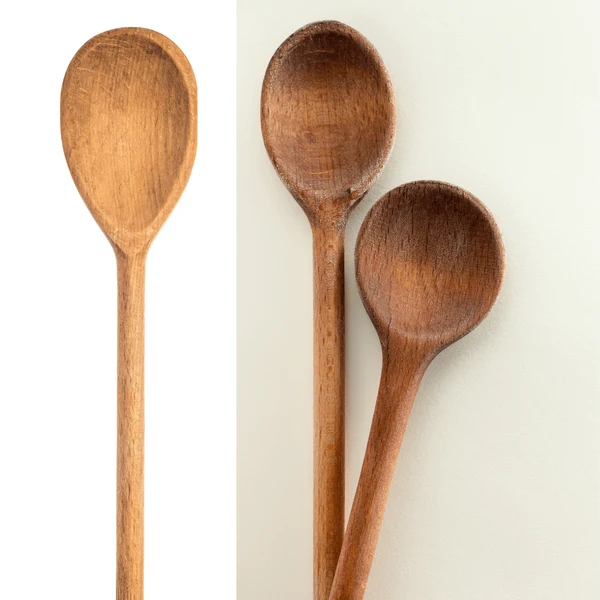
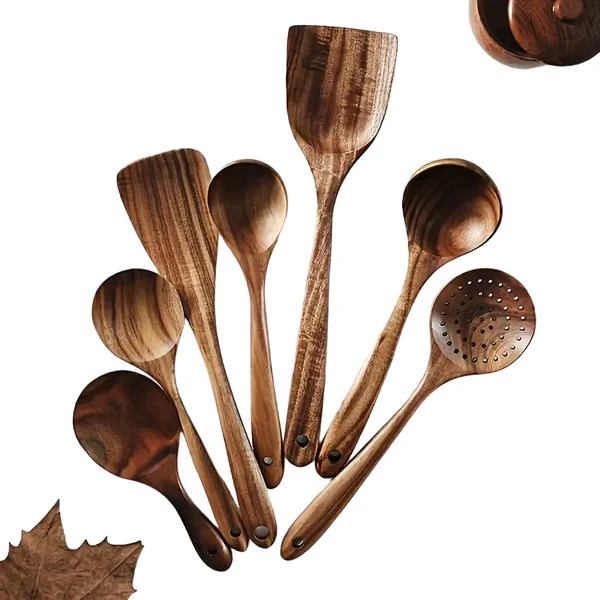
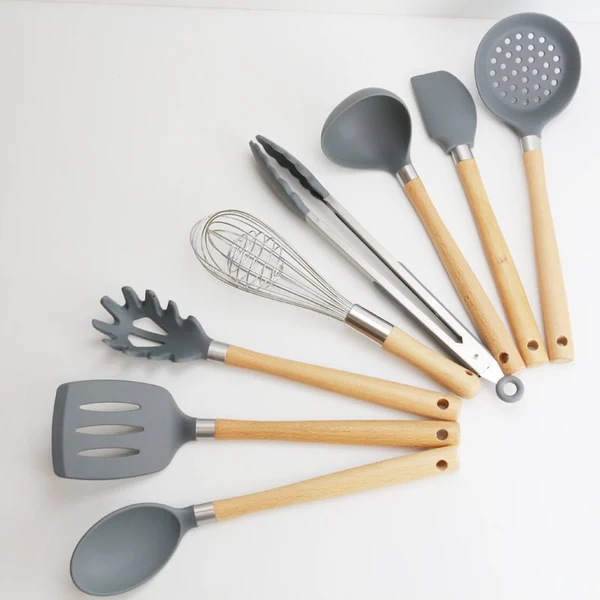
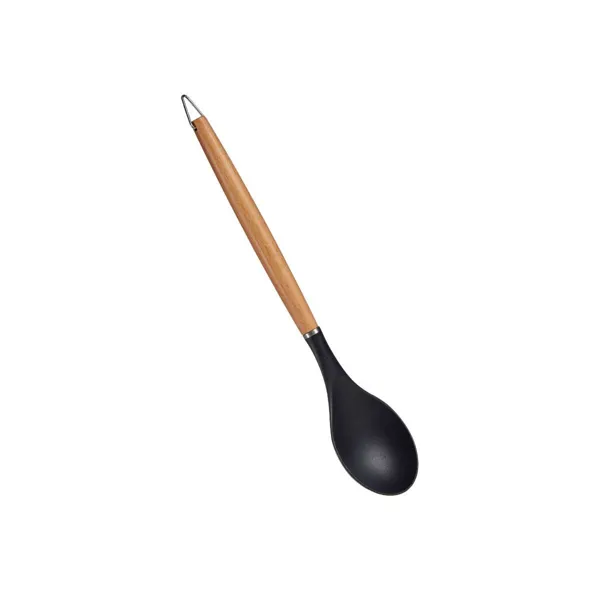
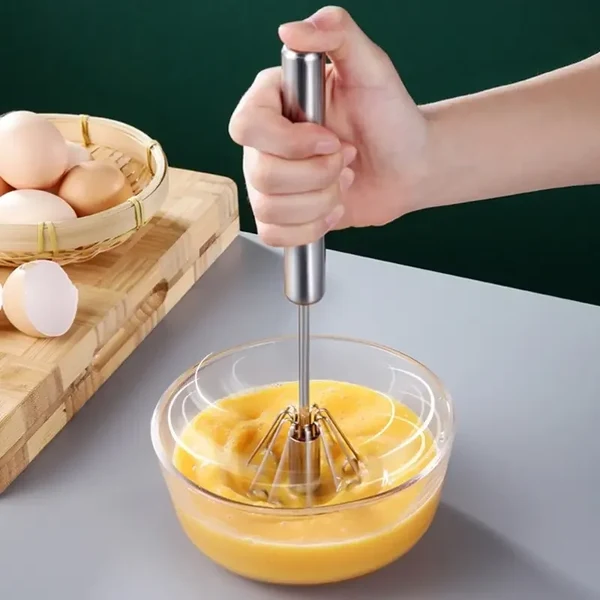
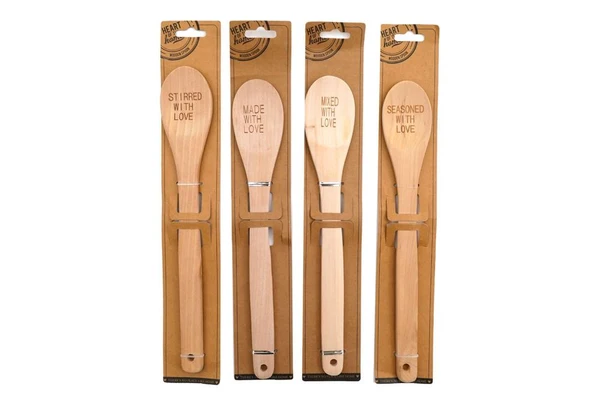
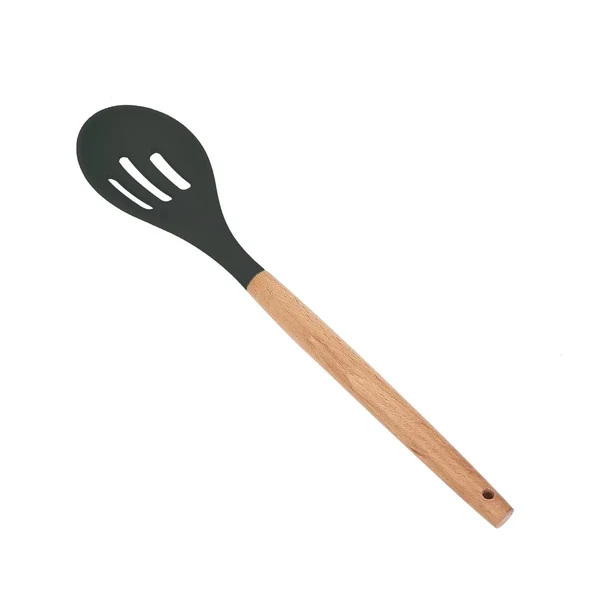
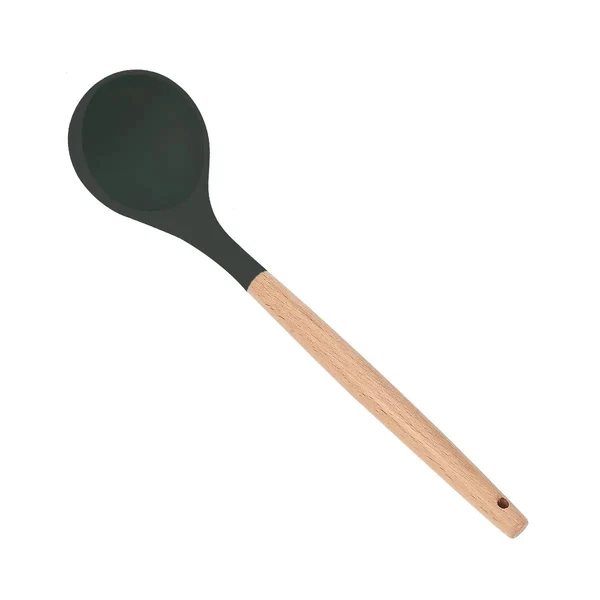
Dropshipman Wooden Handle Silicone Cooking Utensils Set
Price range: £10.99 through £40.99 incl. VAT
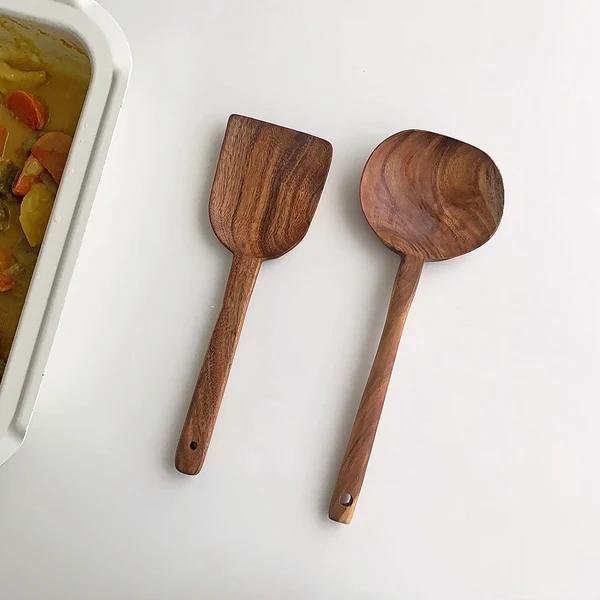
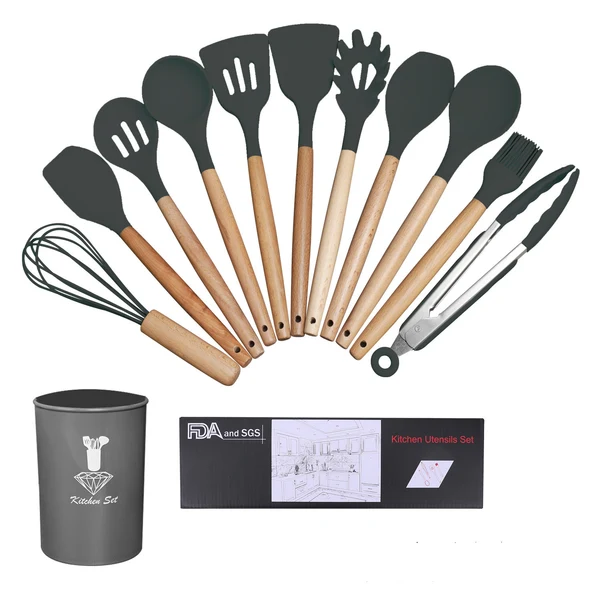
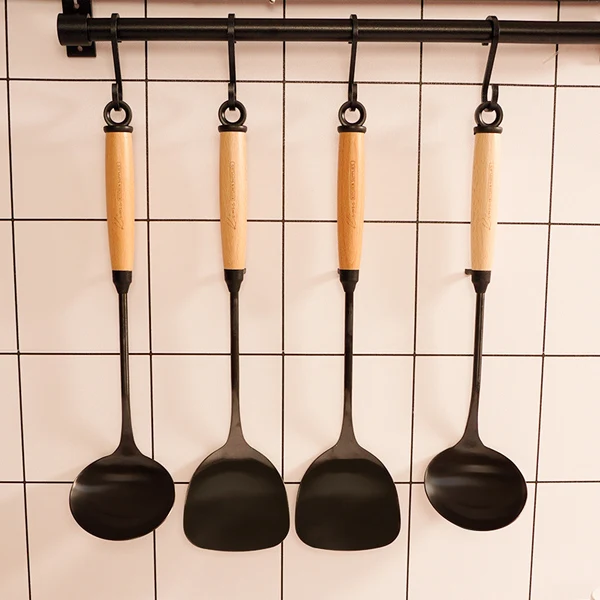
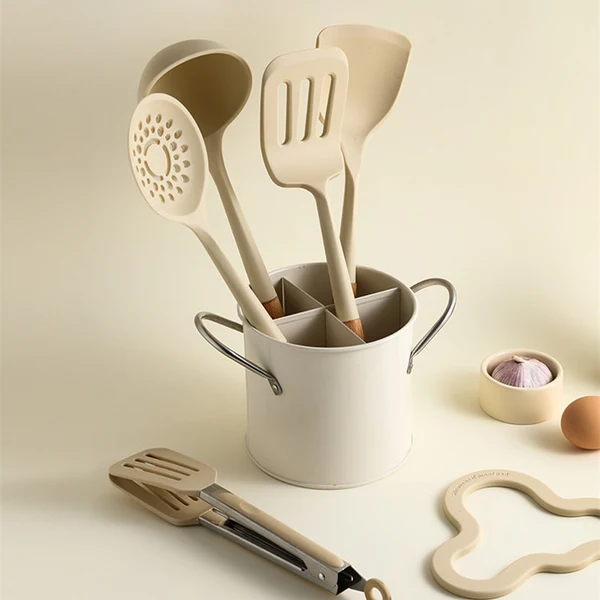
Silicone and Wood Spatula, Spoon and Colander Utensil Set
Price range: £42.99 through £63.99 incl. VAT
Grey
Silver
White
Know how the material behaves, and choosing wooden cooking utensils gets simple. Matching the material to the job first and to your taste second avoids regrets later. Some materials show marks, scratches or creases more readily than others; decide how much that matters to you.
Three steps to a clear choice
A short checklist for this collection.
How to choose
- Compare the same kind in other materials: Silicone Cooking Utensils and Stainless Steel Cooking Utensils.
- Check thickness or density, as both affect how the material holds its shape.
- If matching existing pieces, compare finish as well as material.
- For frequent use, choose a forgiving material that is easy to clean.
- Think about exposure to water, heat or sunlight where it will be used and kept.
Frequently asked questions
Can wooden spoons and chopping boards go in the dishwasher?
No; prolonged hot water and detergent dry out wood and cause warping, so wash wooden items briefly by hand and dry upright.
How does this material compare with others?
Compare wooden cooking utensils with the same kind in other materials on weight, feel, care and ageing; the right choice depends on how often and where it will be used.
Does the finish matter for wooden cooking utensils?
Yes: in wooden cooking utensils, a sealed, coated or polished finish changes how the material looks, feels and copes with everyday use.
How practical is this material for daily use?
Daily practicality depends on the material's grade and finish; for wooden cooking utensils used every day, look for a forgiving surface that is easy to care for.