
Go straight to a type
Same category, new angle
Pick a brand
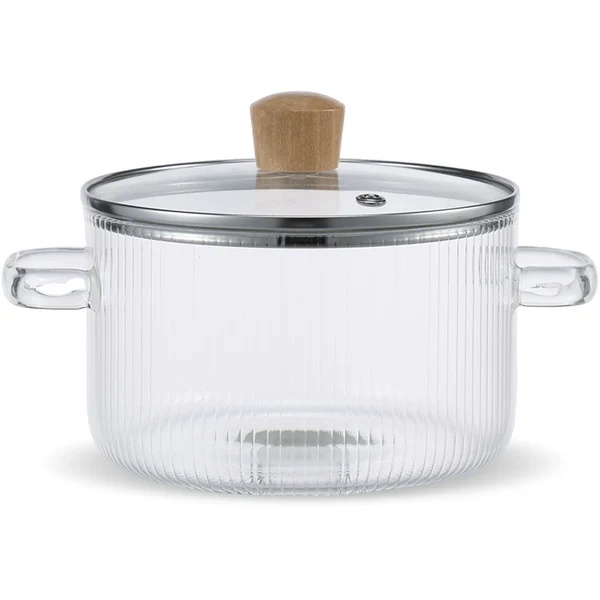
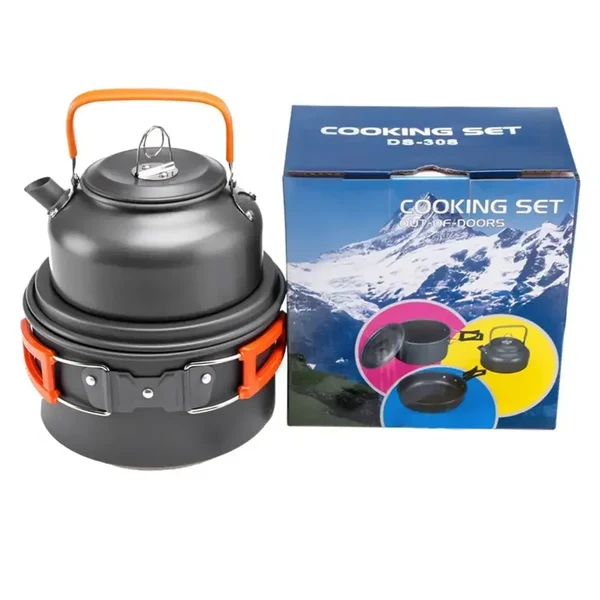
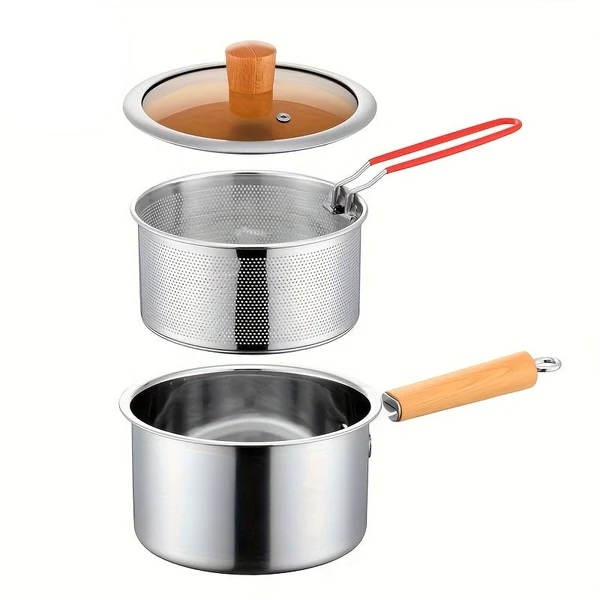
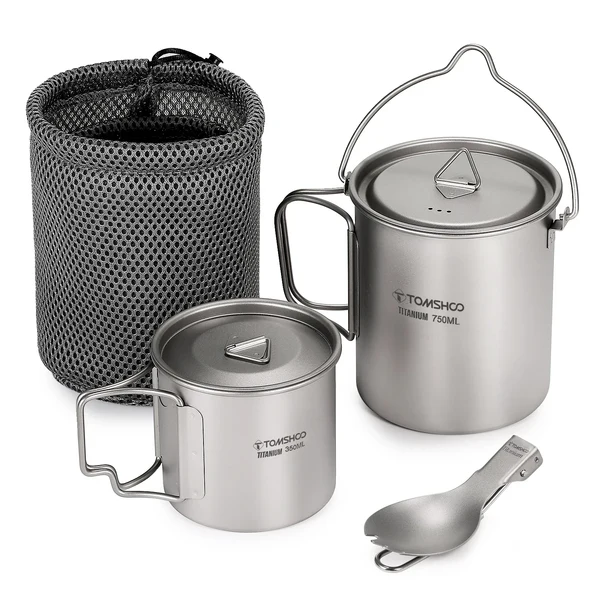
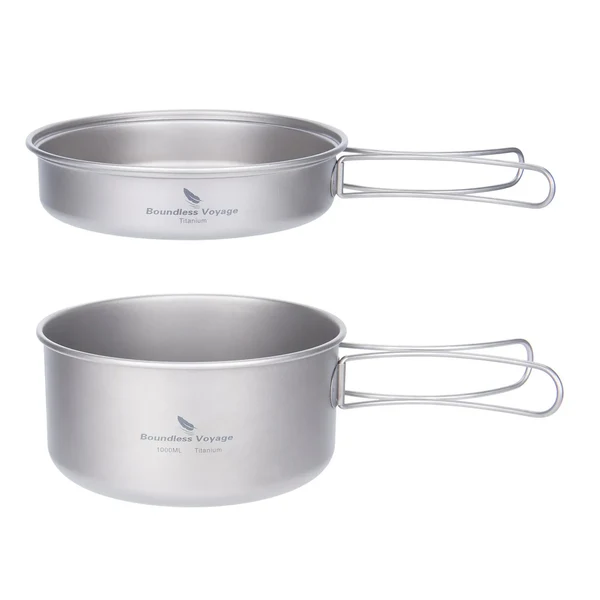
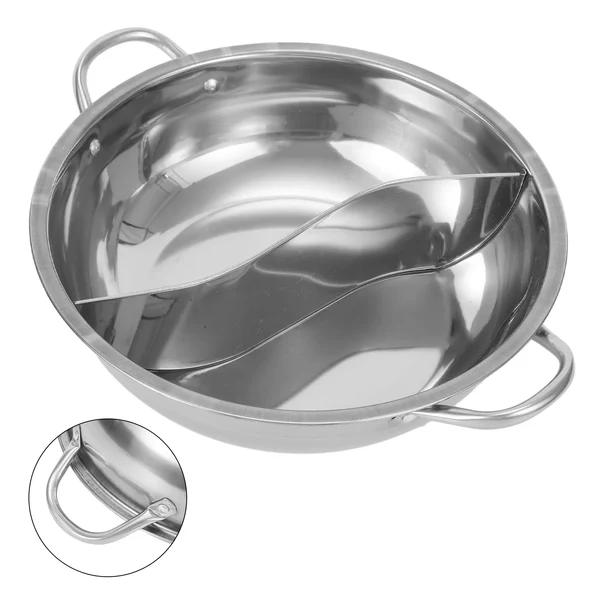
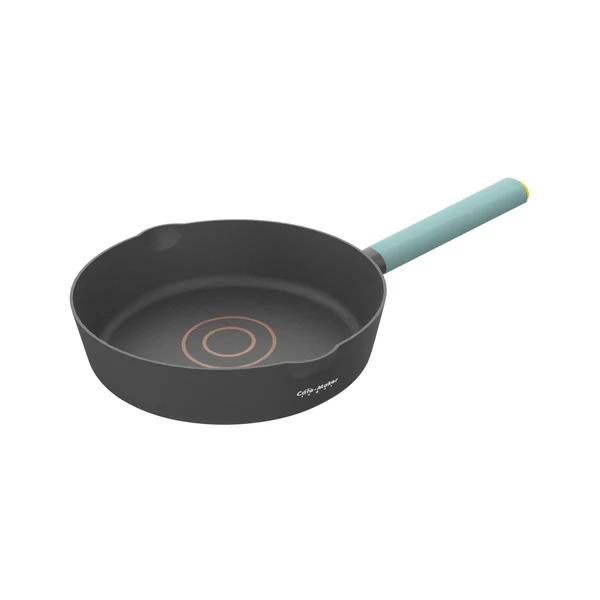
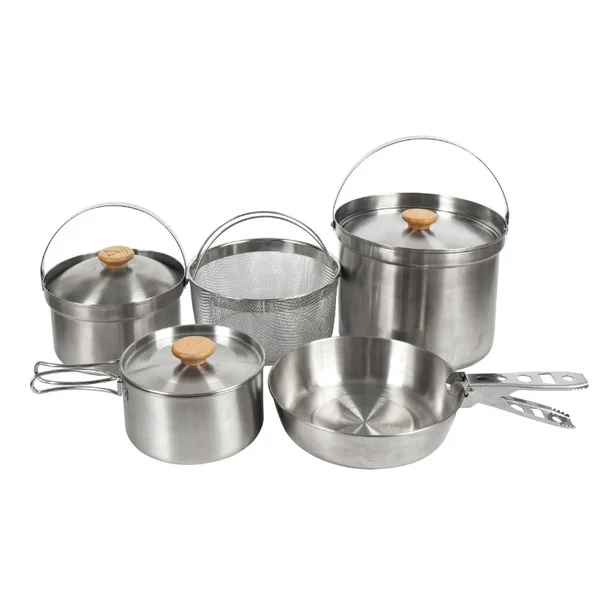
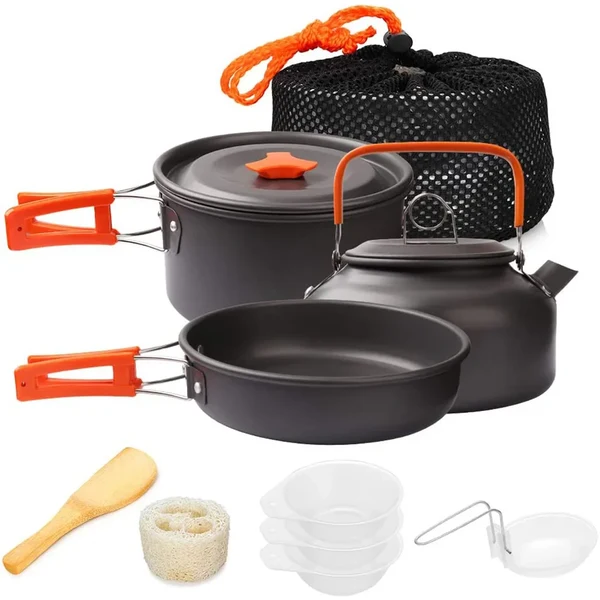
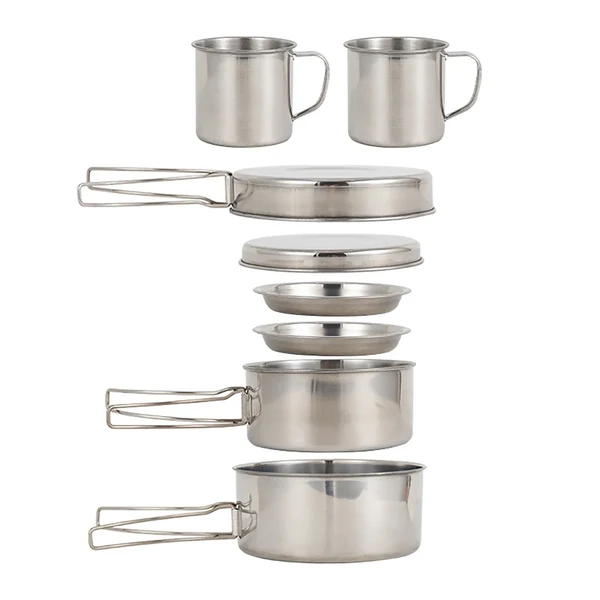
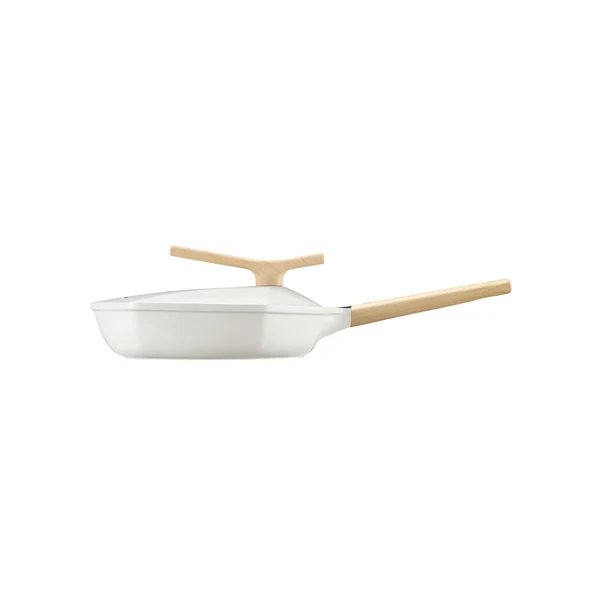
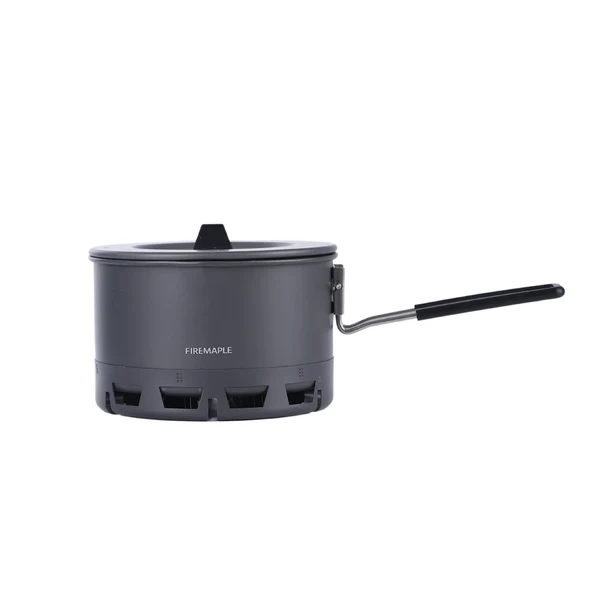
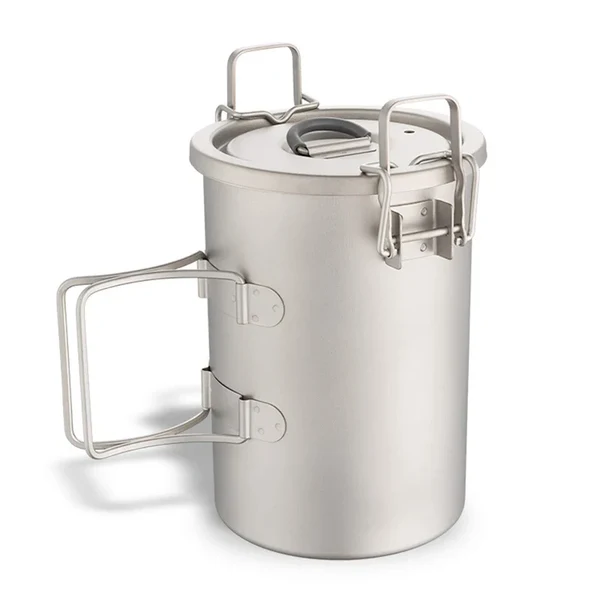
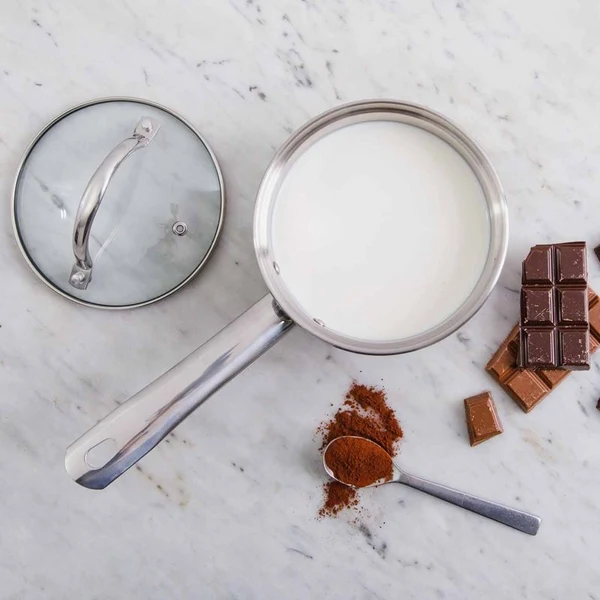
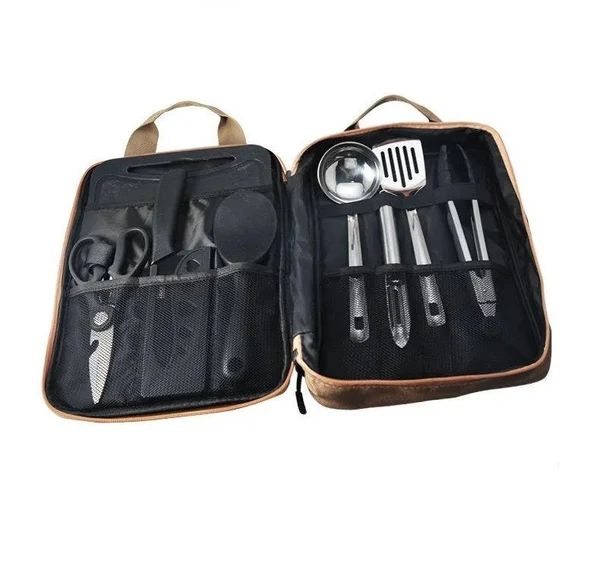
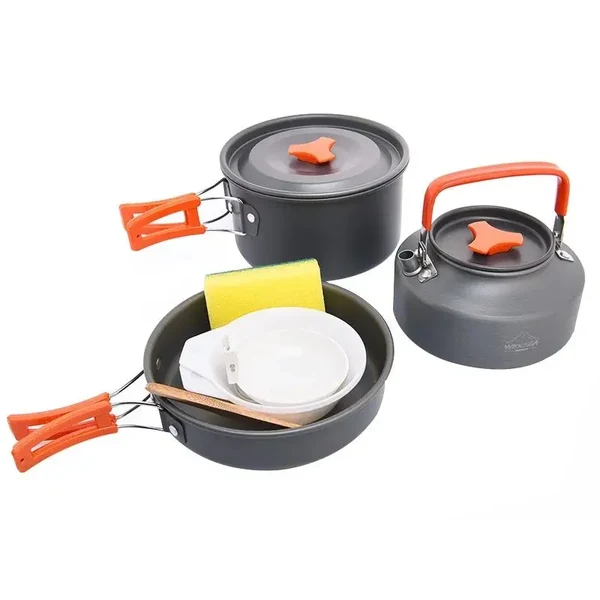
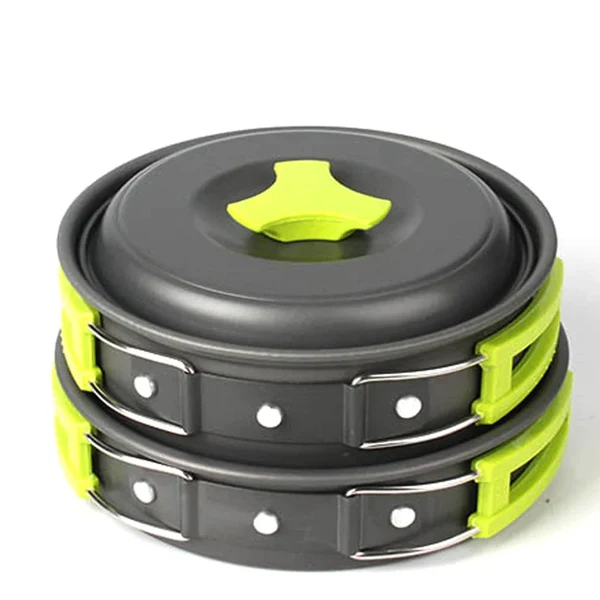
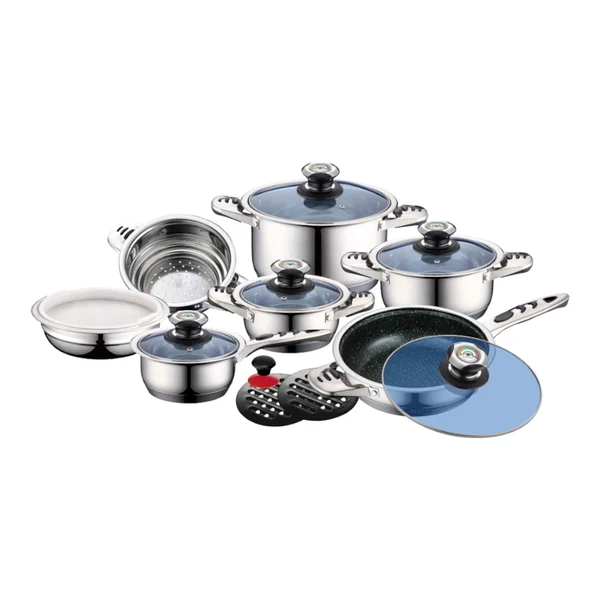
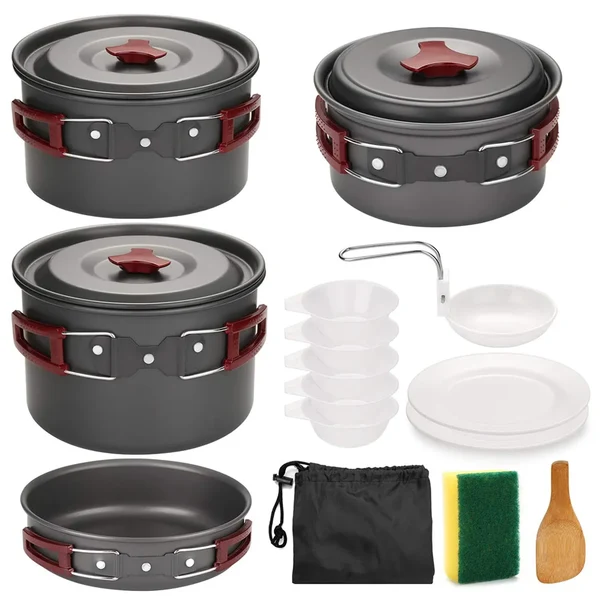
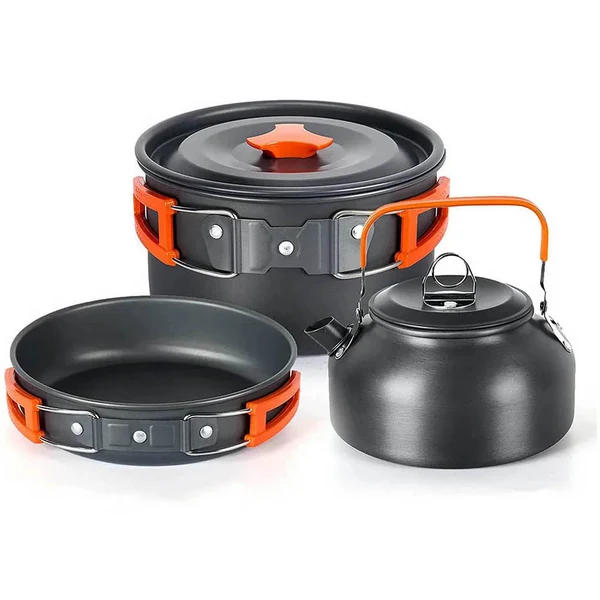
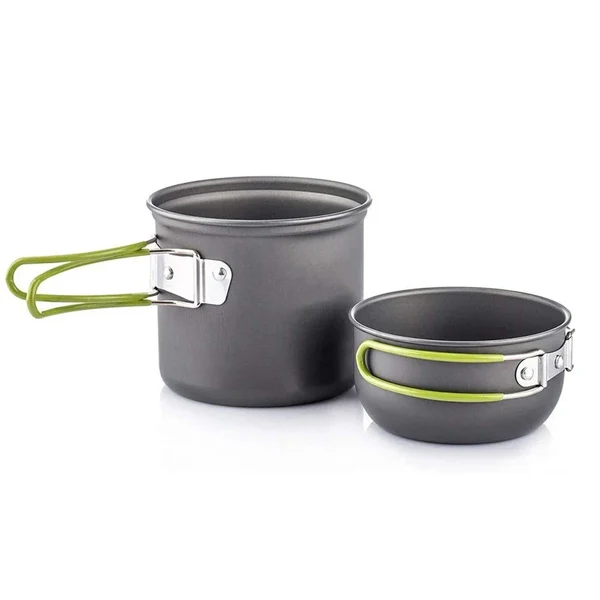
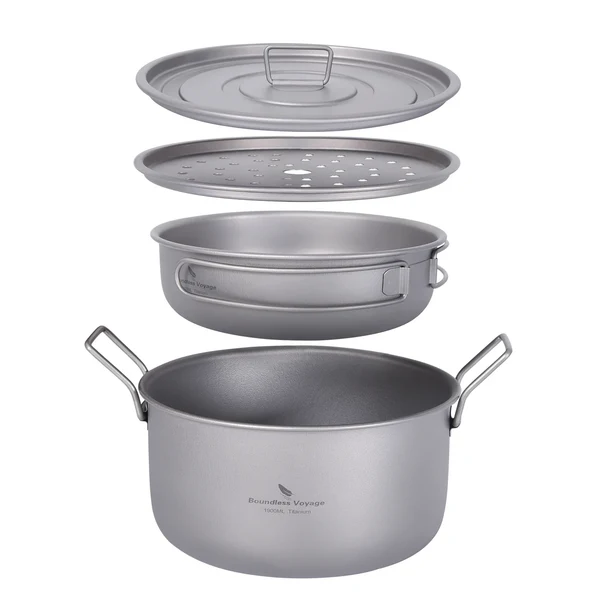
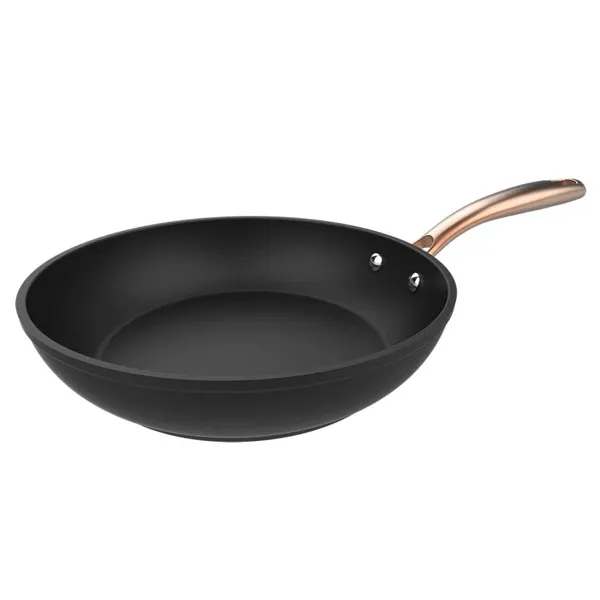
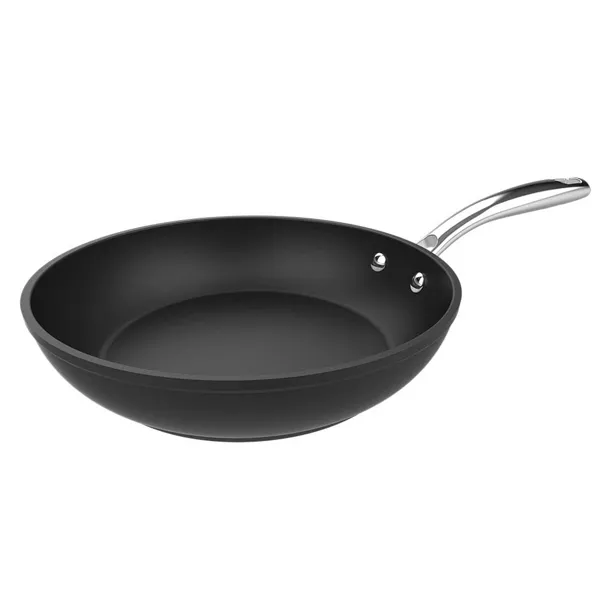
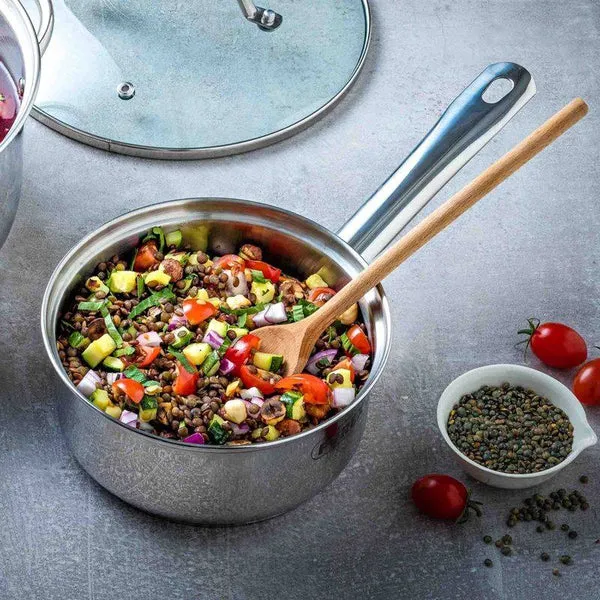
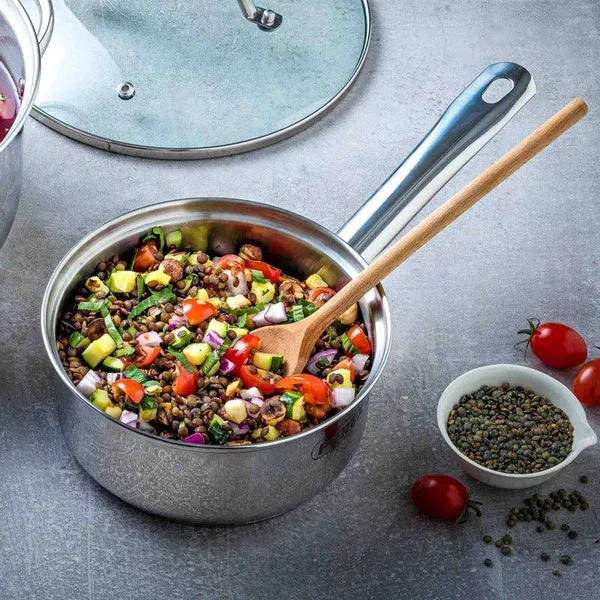
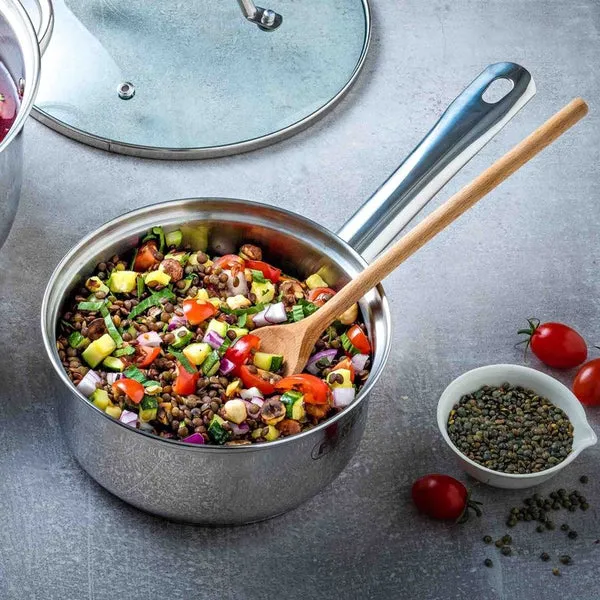
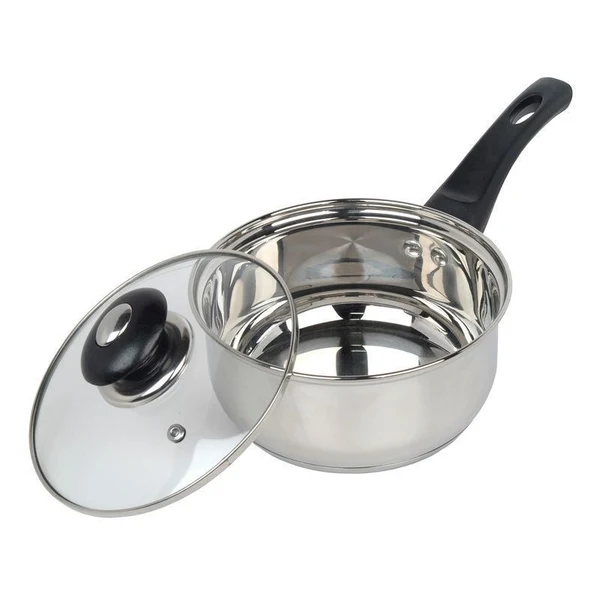
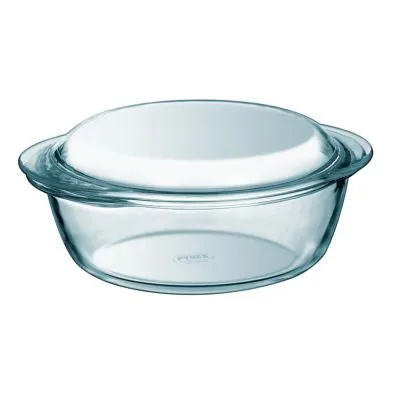
With cookware, the details that look minor at first, such as proportions, weight and finish, are often what decide the choice. The main types to compare: Frying Pans and Saucepans. Some people start from the look and work back to the practical points; others do the reverse, and both work.
How to choose
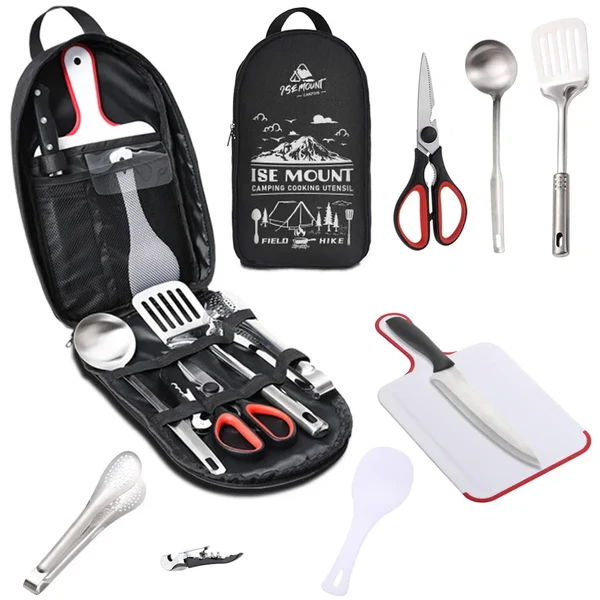
- Material and heat tolerance: Choose silicone or wooden utensils for non-stick cookware, and stainless steel for high-heat searing and lifting.
- Care and dishwashing: Glass, stoneware, and stainless steel usually handle the dishwasher, while wooden boards and knives prefer hand washing.
- Coordinated finishes: Matching countertop canisters, textiles, and serving pieces keeps open shelving and worktops visually tidy.
- Think about who else will use it, and choose something that suits whoever else will use it too.
- Compare a few options side by side on the same points rather than judging each one alone.
Frequently asked questions
Where should I look if cookware might not fit my needs?
If cookware might not be the right fit, the related kinds are worth comparing on the same points: Coffee Makers, Dinnerware, Serveware, Table Linens and Drinkware.
Should I buy cookware as a set or singly?
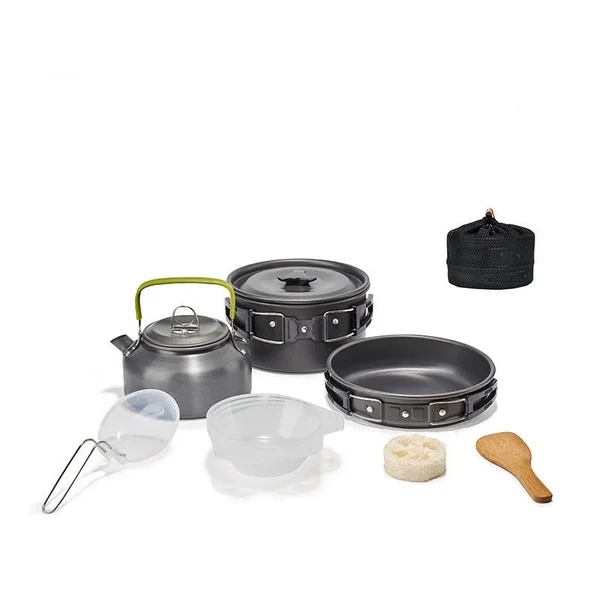
A set of cookware keeps everything matching; buying one at a time lets you mix materials and colours and add to what you have as you go.
What should I check when replacing cookware?
When replacing cookware, note what worked and what did not with what you had before, then use that as a checklist for size, material and finish.