
Same category, new angle
Pick a brand
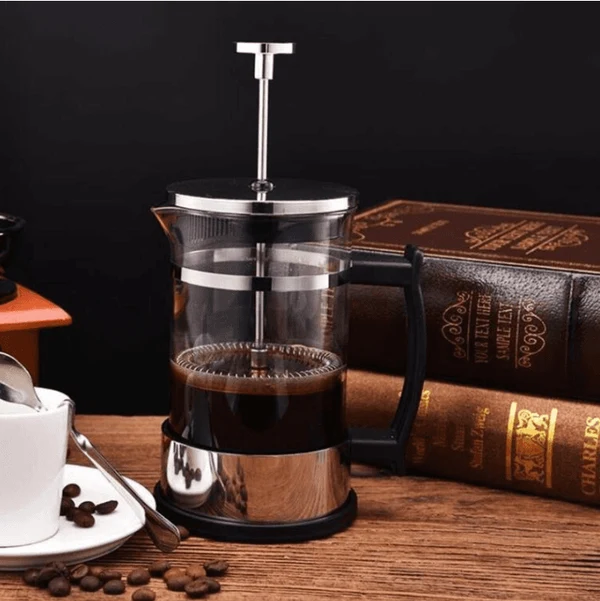
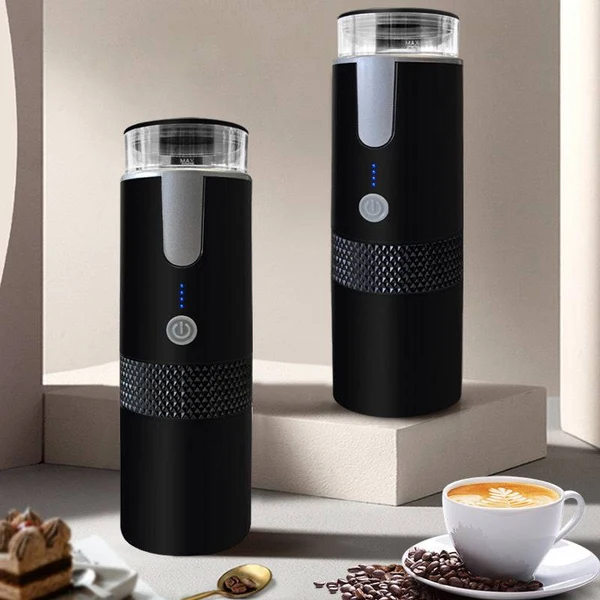
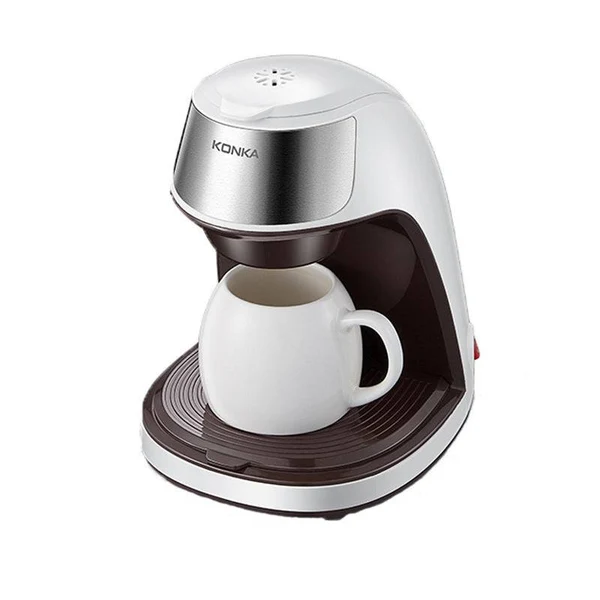
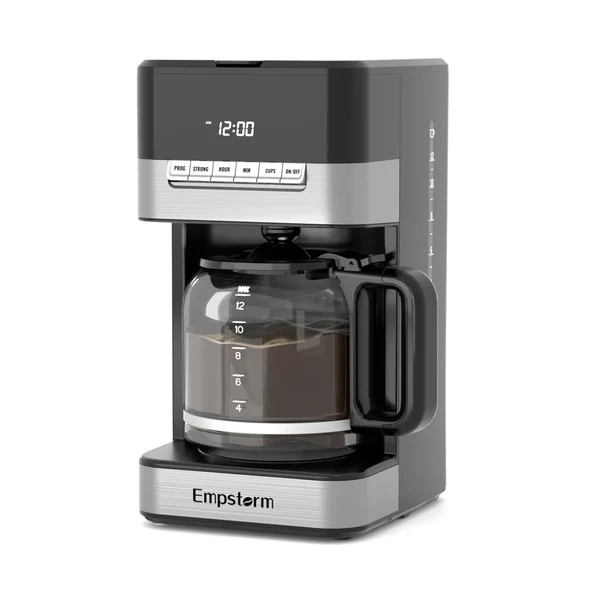
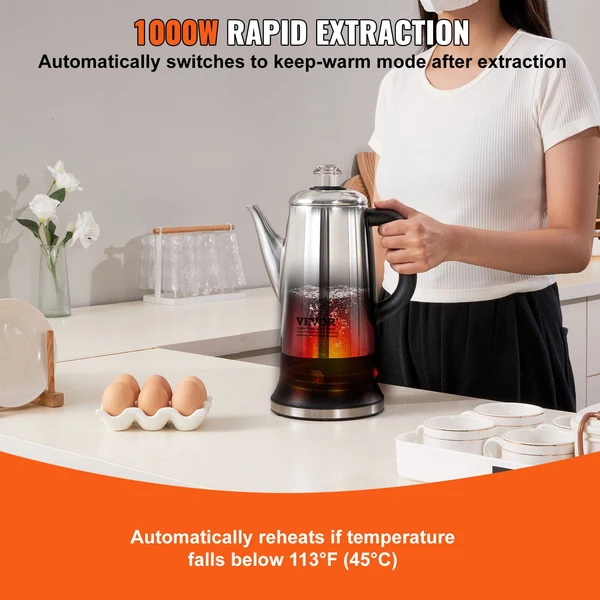
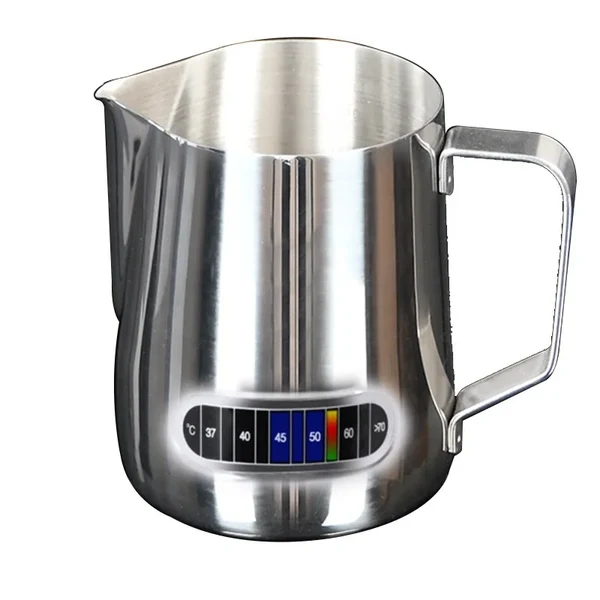
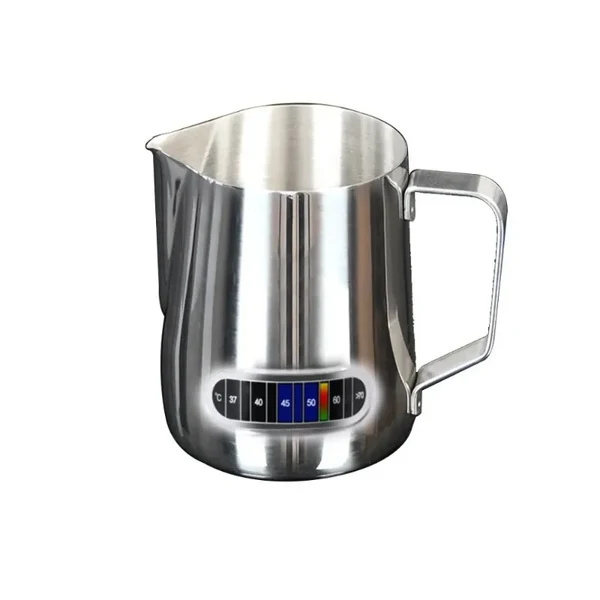
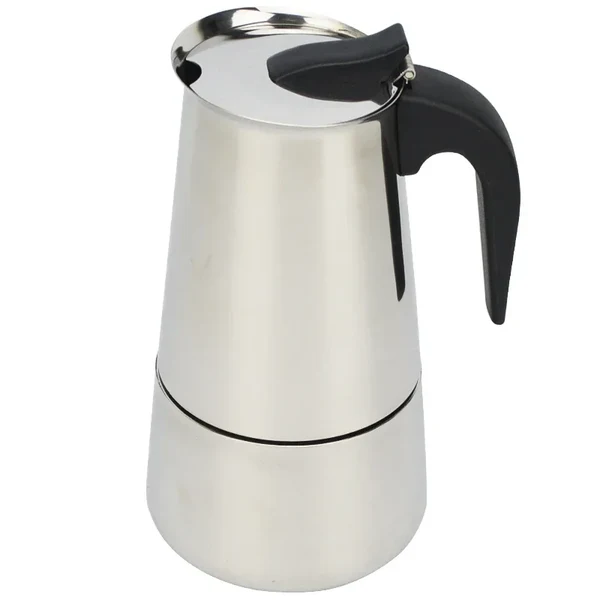
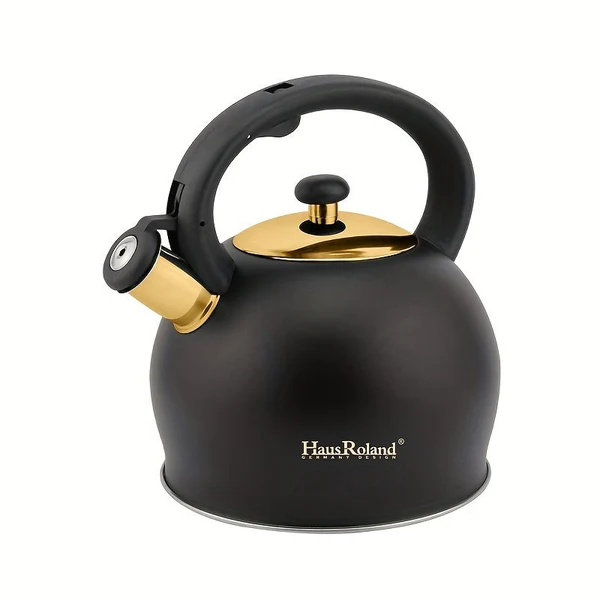
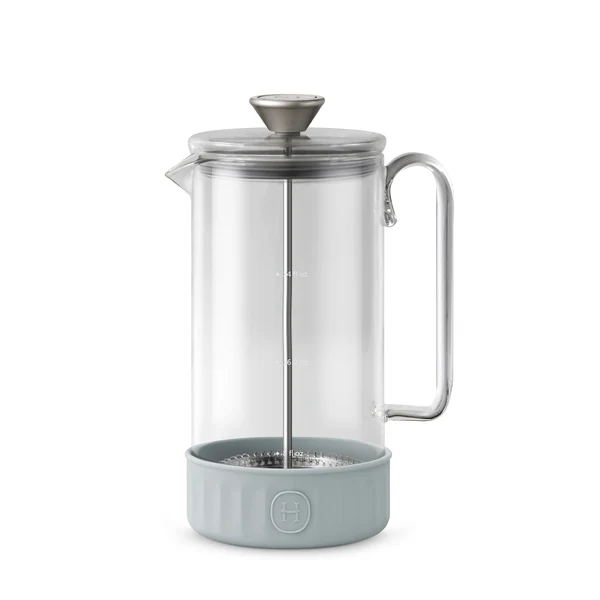
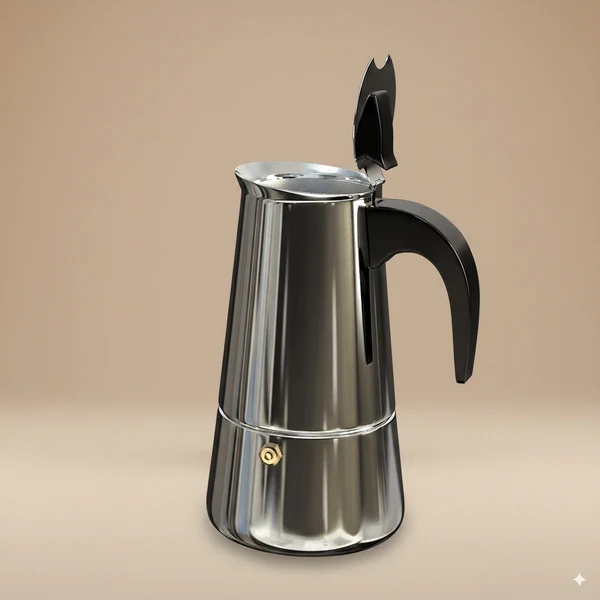
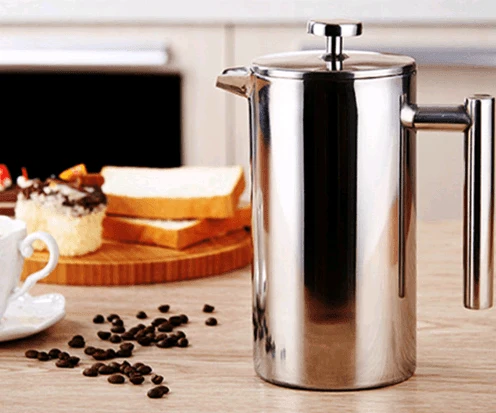
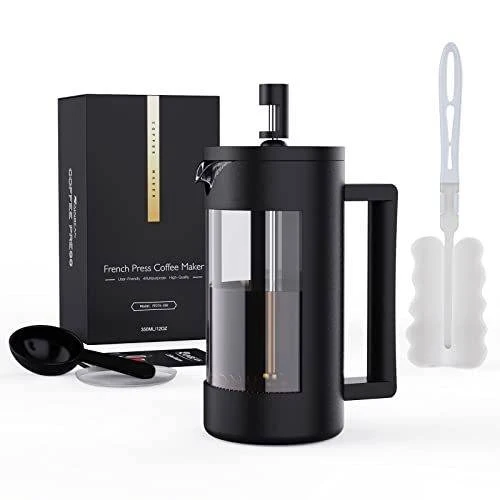
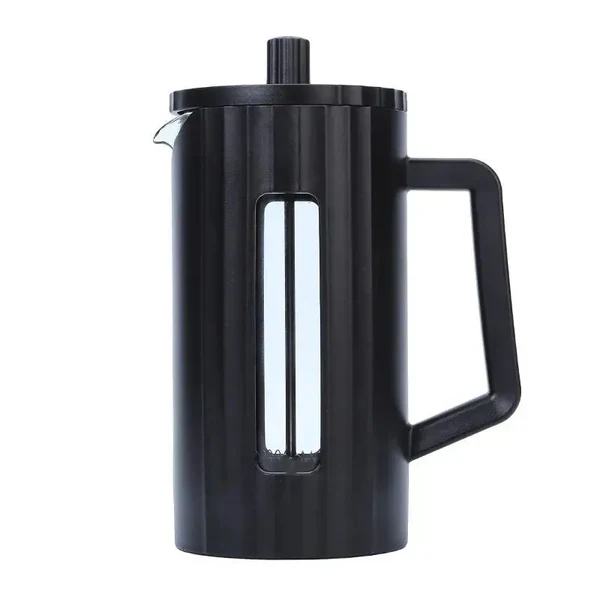
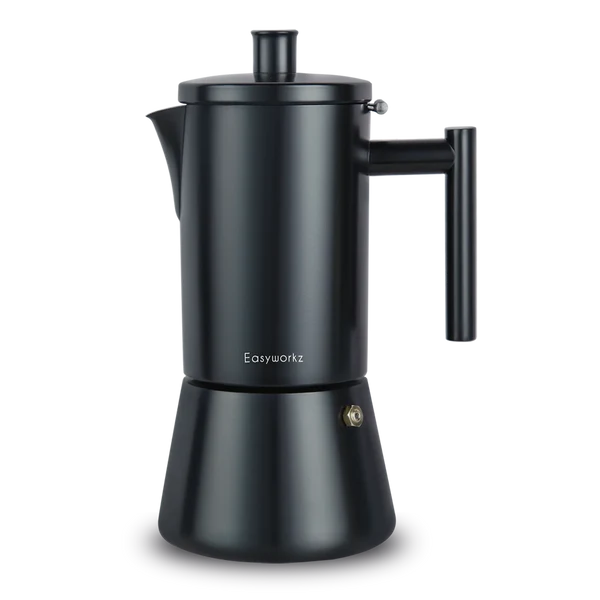
Coffee Makers: a quick tour of the main types, what sets them apart and how to narrow the choice. Buying a set keeps everything matching, while buying singly lets you mix and add over time.
How to choose
- Size and storage footprint: Check tray widths, rack depths, and jar heights against your cupboard shelves, oven cavity, and drawers.
- Material and heat tolerance: Choose silicone or wooden utensils for non-stick cookware, and stainless steel for high-heat searing and lifting.
- Food-contact suitability: Read each product description for temperature guidance and care instructions before first kitchen use.
- If you are replacing something, list what worked and what did not, and use that as your brief.
- Rely on stated dimensions and descriptions rather than names, which vary between makers.
Frequently asked questions
How do I look after coffee makers?
Care for coffee makers depends on the material, so follow the care notes for each item; in general, regular light cleaning and dry storage keep things in good shape.
Which material is a good choice for coffee makers?
There is no single right material for coffee makers: compare weight, feel and care needs, and choose the one that suits how often and where it will be used.
What should I check when replacing coffee makers?
When replacing coffee makers, note what worked and what did not with what you had before, then use that as a checklist for size, material and finish.
How do I choose the right size of coffee makers?
Measure the space, or something similar you already own, and compare that with the stated dimensions of coffee makers rather than with size names, which vary between makers.
Measurement guide
- Size (350–400 ml): Compare the stated internal capacity with the amount you plan to hold.