
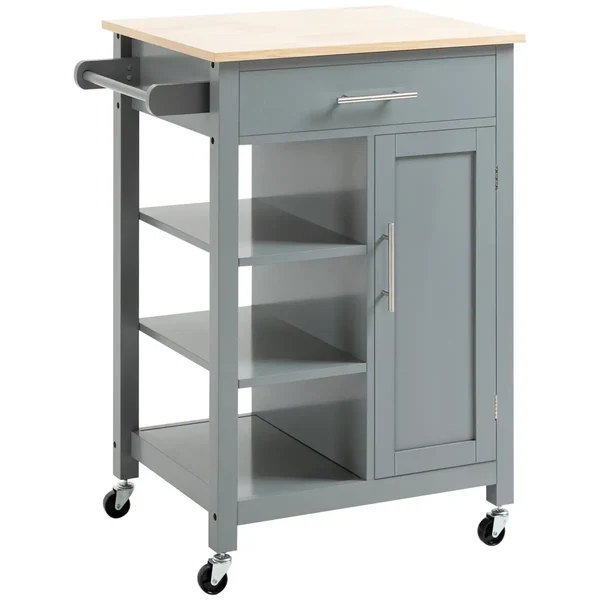
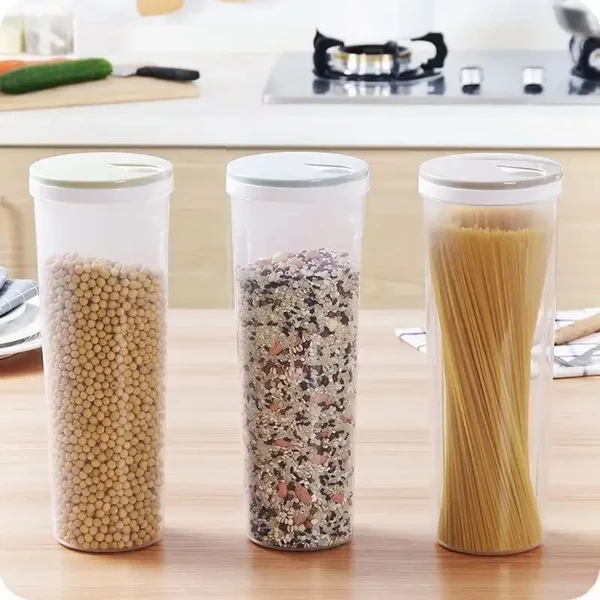
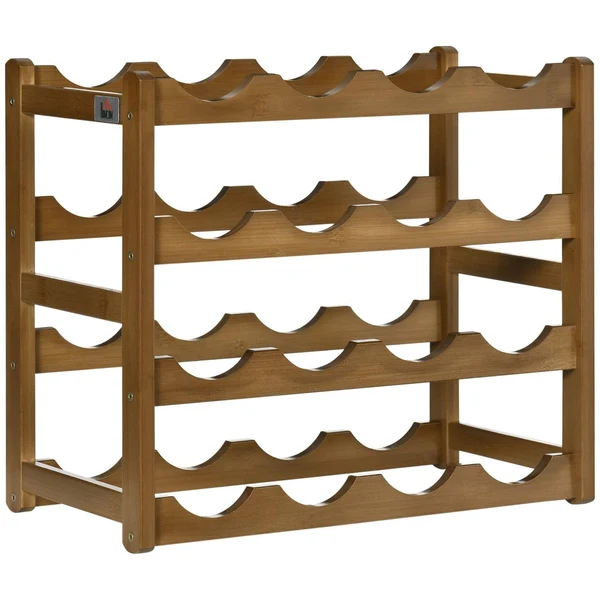
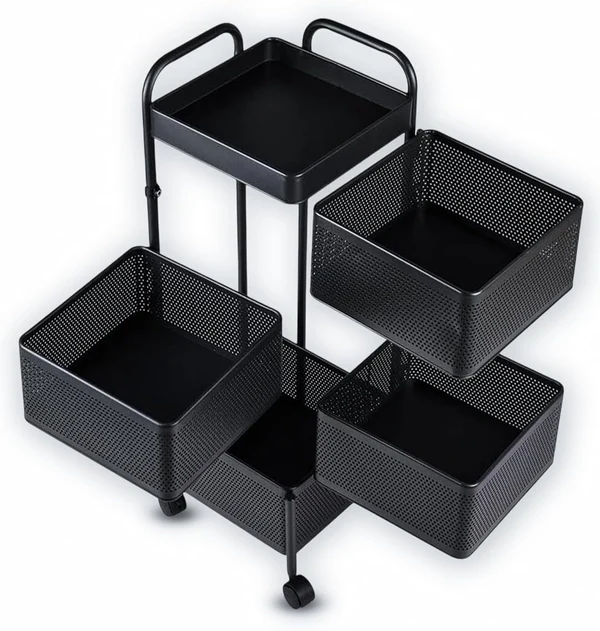
Go straight to a type
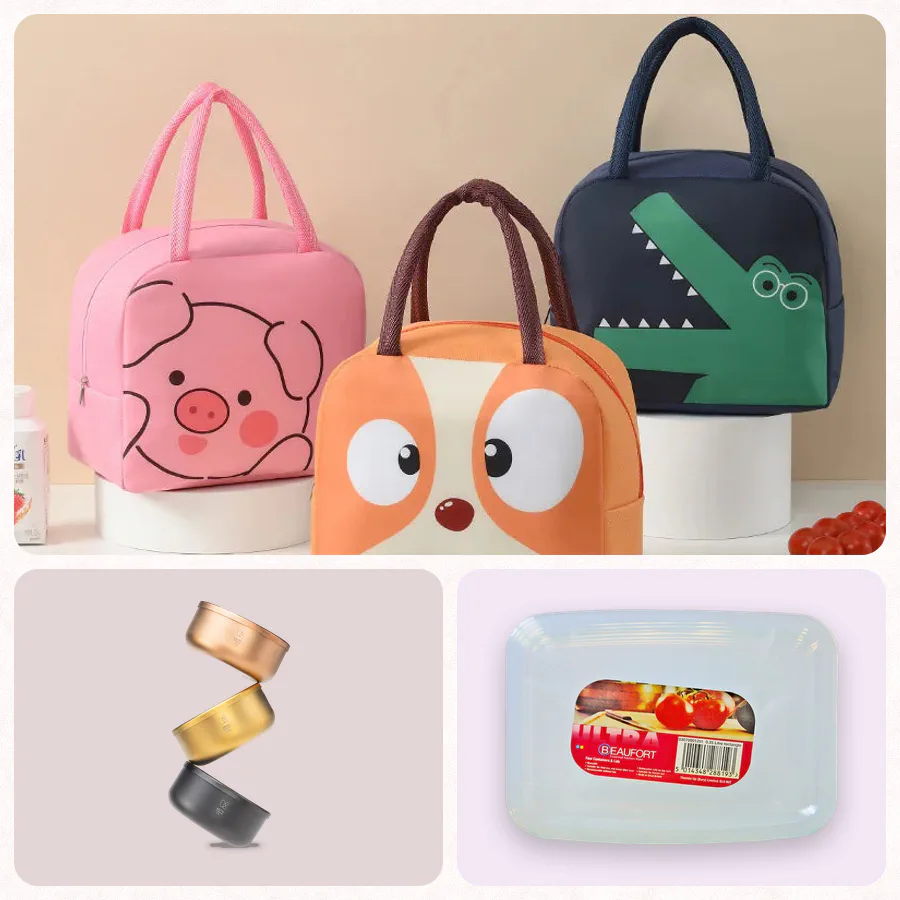
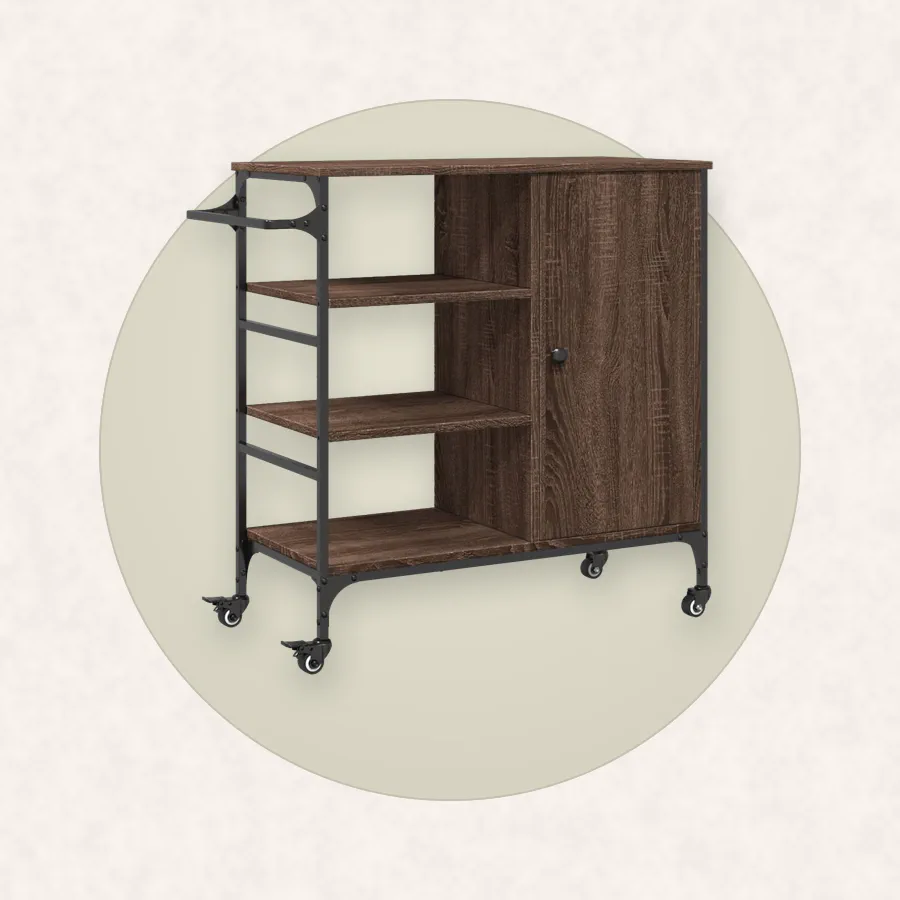
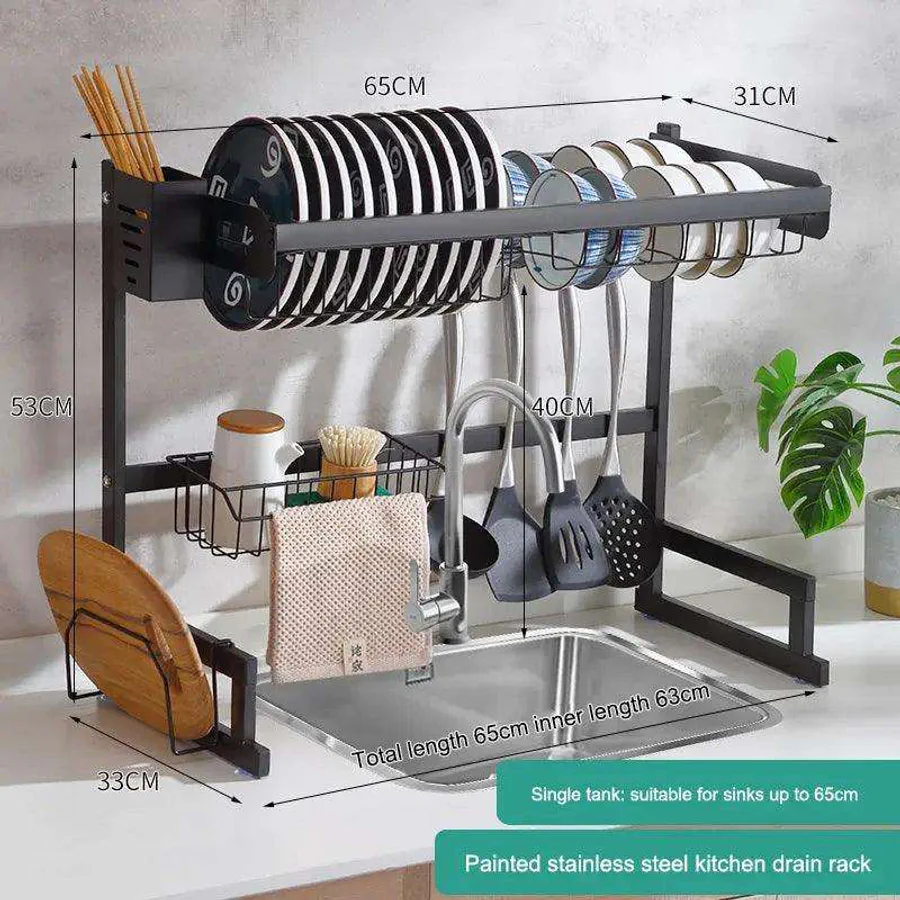
Same category, new angle

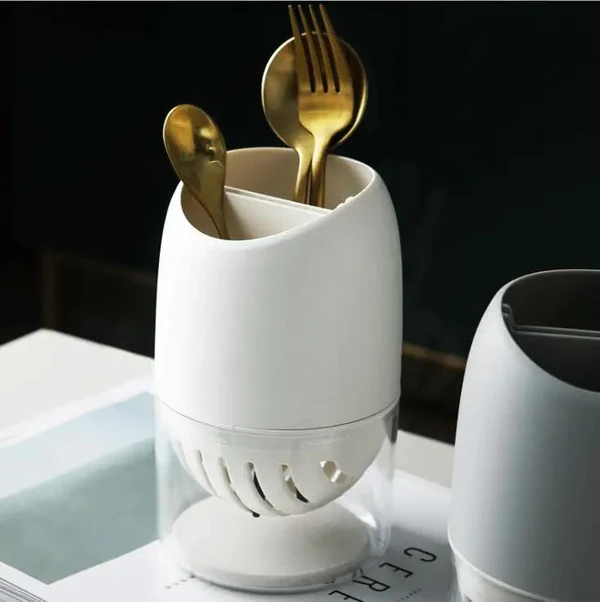
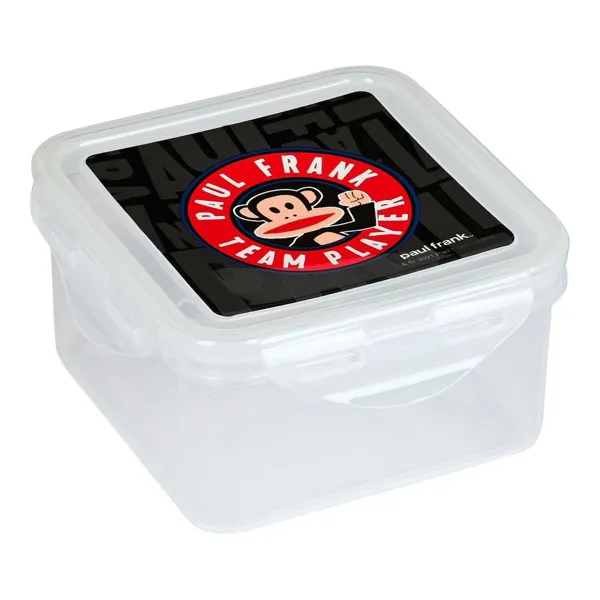
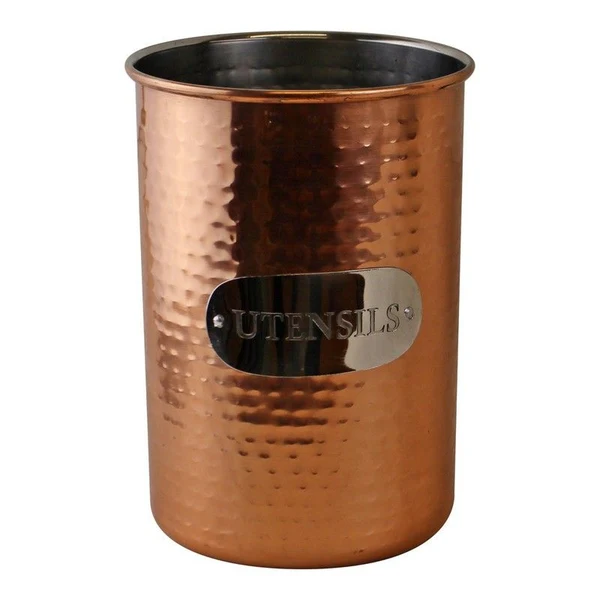
Pick a brand
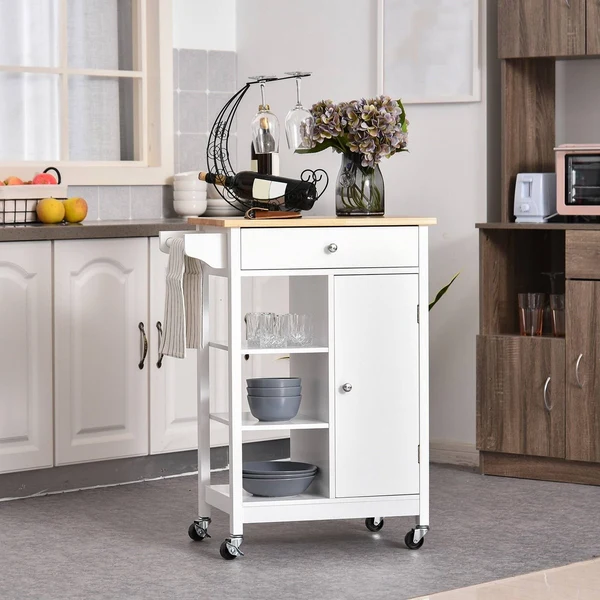
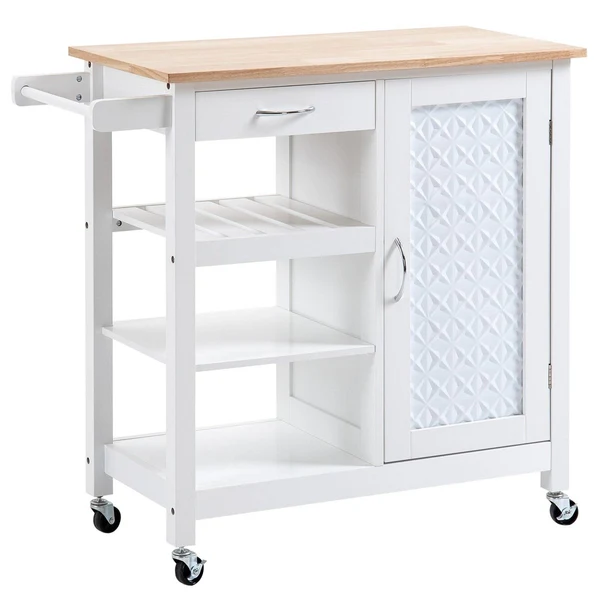
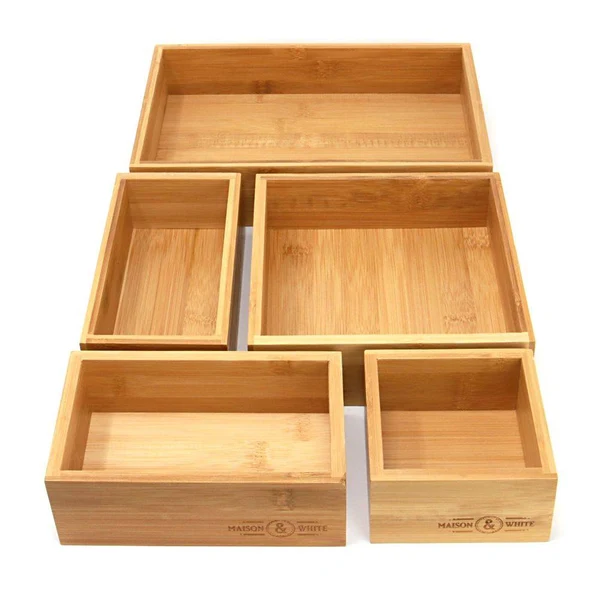
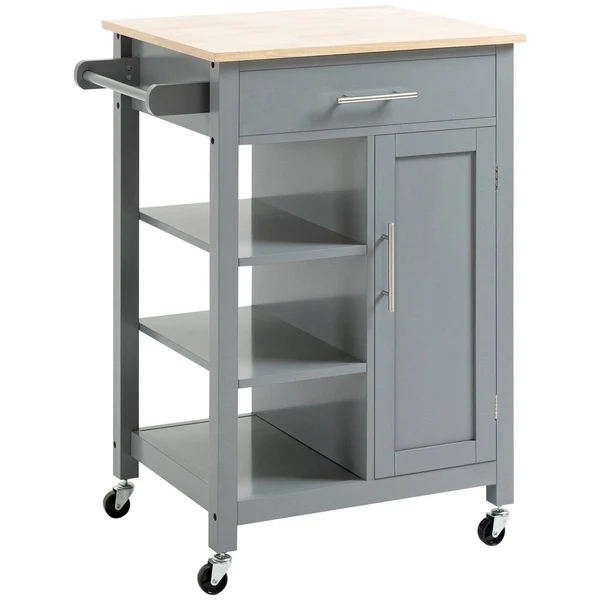
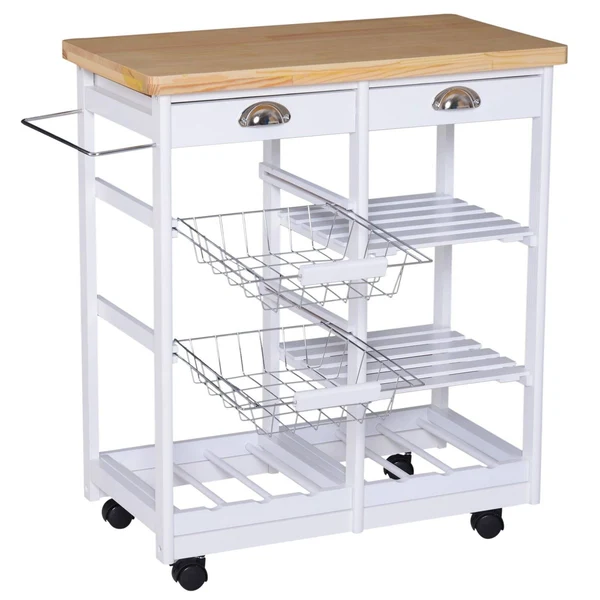
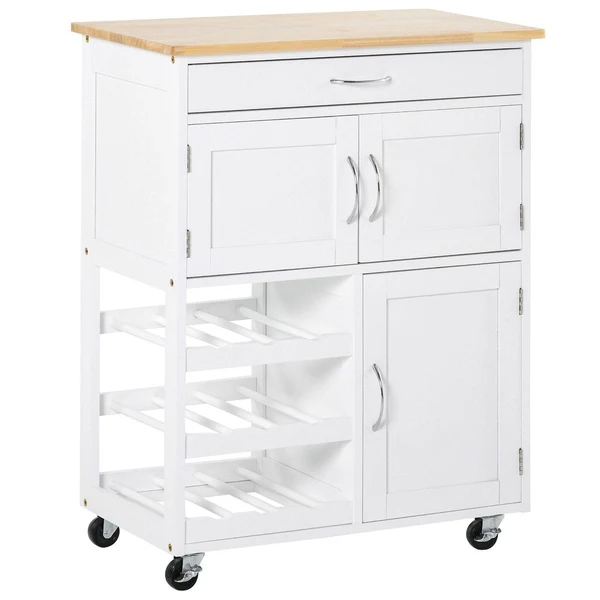
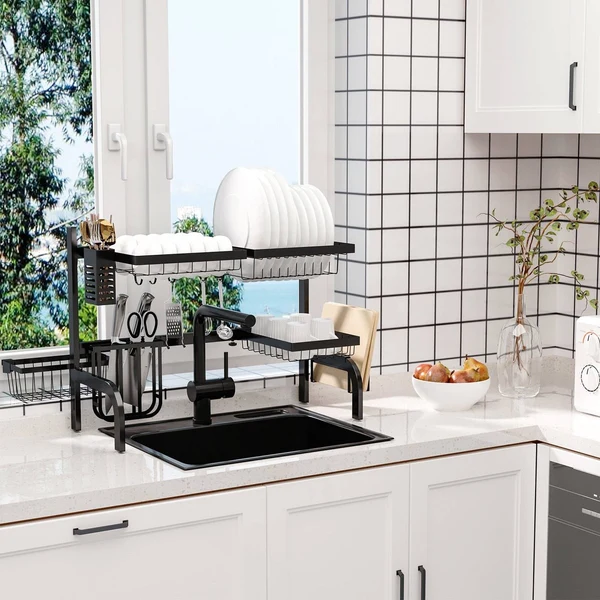
Under one name, kitchen storage can differ widely in construction, proportions and finish, and those differences shape how each one feels in use. Buying a set keeps everything matching, while buying singly lets you mix and add over time.
How to choose
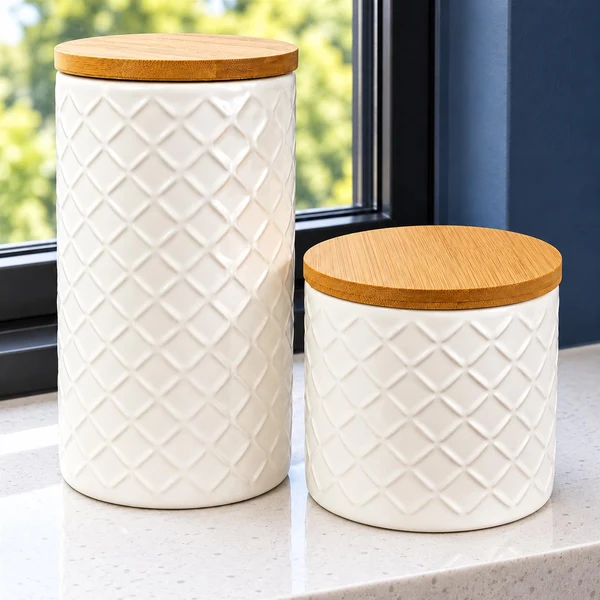
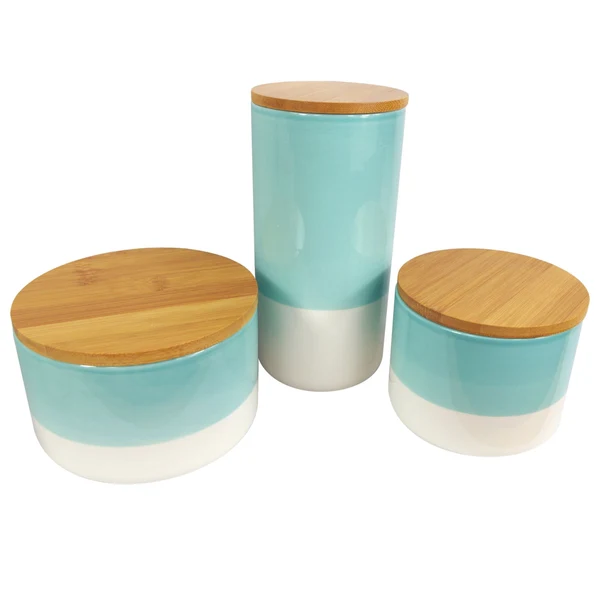
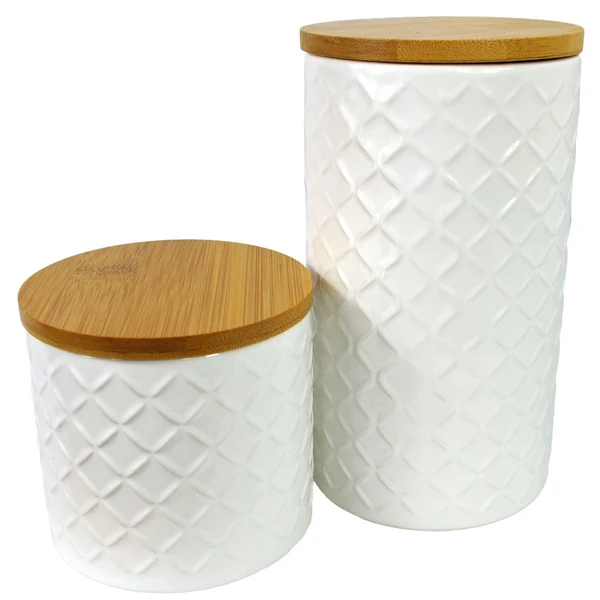
- Coordinated finishes: Matching countertop canisters, textiles, and serving pieces keeps open shelving and worktops visually tidy.
- Material and heat tolerance: Choose silicone or wooden utensils for non-stick cookware, and stainless steel for high-heat searing and lifting.
- Let what you already own guide material and colour, so new and old sit well together.
- Rely on stated dimensions and descriptions rather than names, which vary between makers.
Frequently asked questions
How do I stop kitchen knives going dull too soon?
Cut on wood rather than glass or stone, wash and dry blades straight after use, and hone them regularly.
What utensils help most when starting a new kitchen?
A chef knife, chopping board, silicone spatula, tongs, whisk, peeler, and sturdy roasting tray cover everyday meals.
How do the main types of kitchen storage differ?
Types of kitchen storage differ in shape, size, material and the job they are designed for, so compare them on those points rather than on the name alone.
Where should I look if kitchen storage might not fit my needs?
If kitchen storage might not be the right fit, the related kinds are worth comparing on the same points: Cutting Boards, Bakeware, Cookware, Kitchen Aprons and Oven Mitts.
Measurement guide
- Size (250 ml): Compare the stated internal capacity with the amount you plan to hold.