
Silicone Cooking Utensils
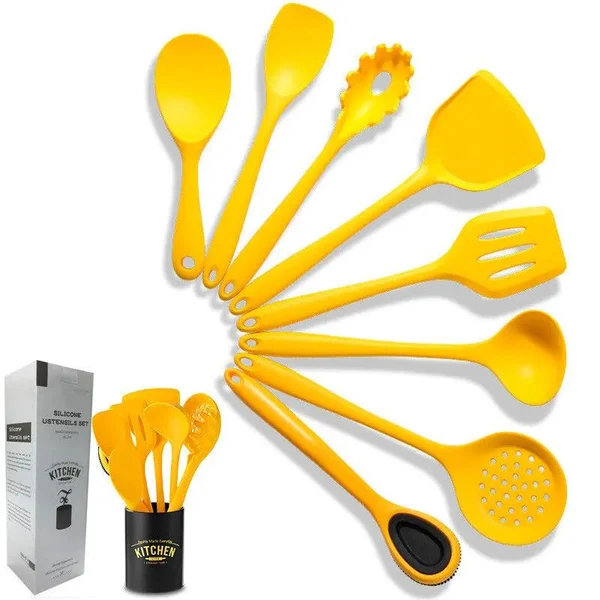
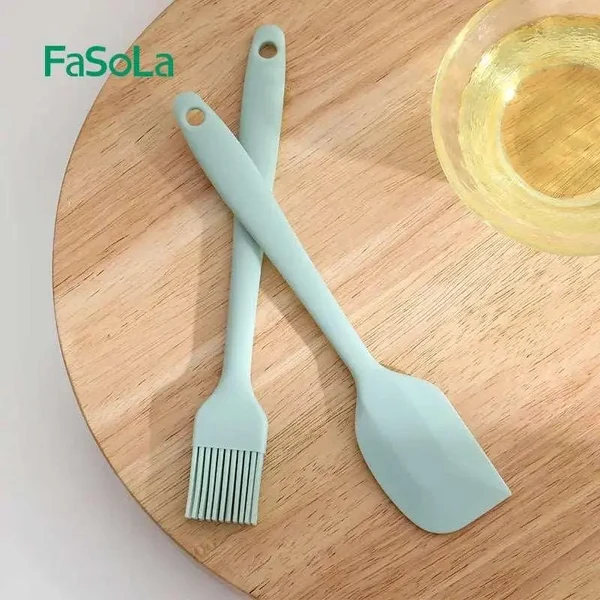
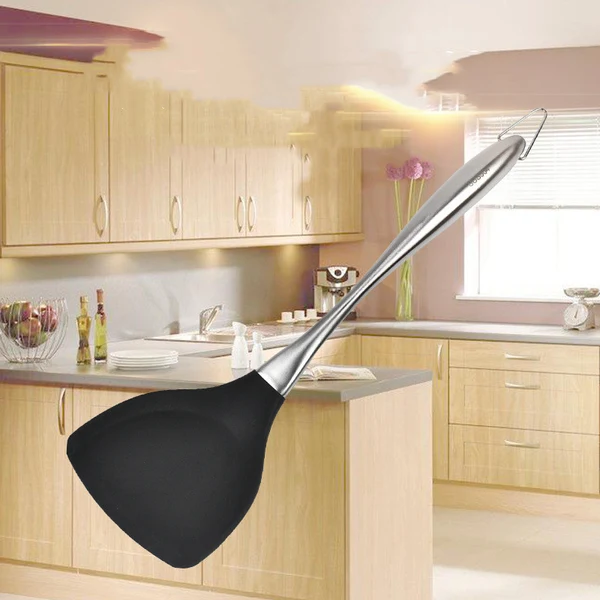
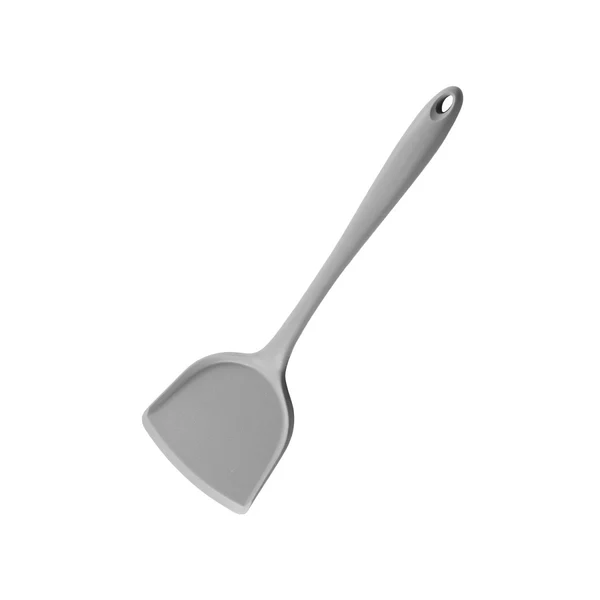
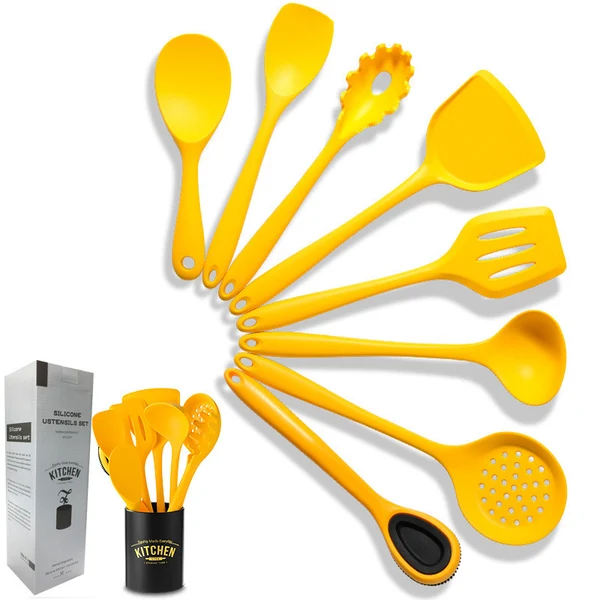
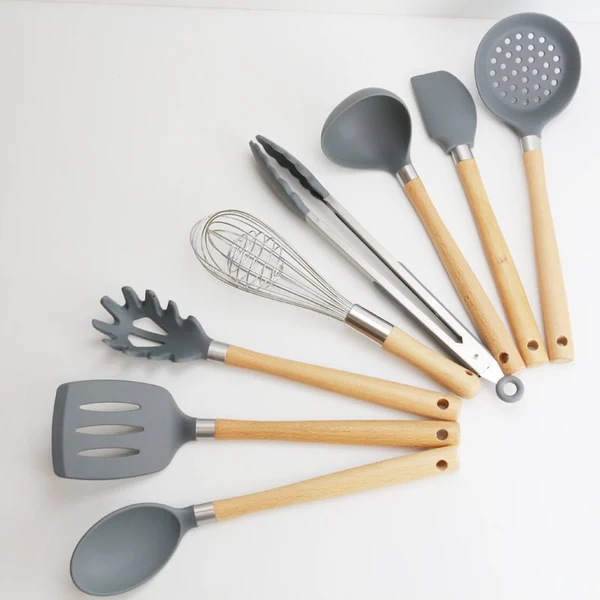
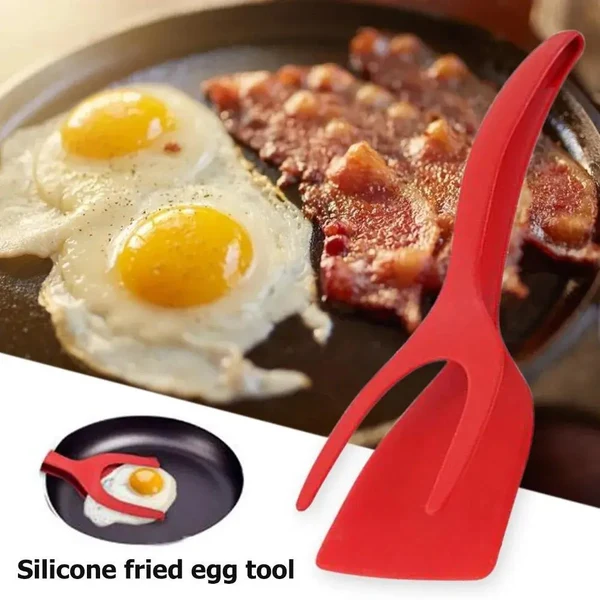
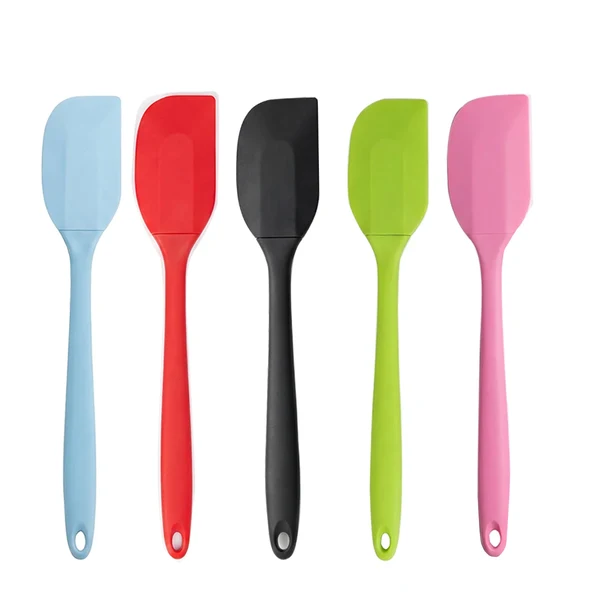
Cashymart 2-in-1 Silicone Grip and Flip Spatula Tongs
Price range: £21.99 through £33.99 incl. VAT
Black
Grey
Red
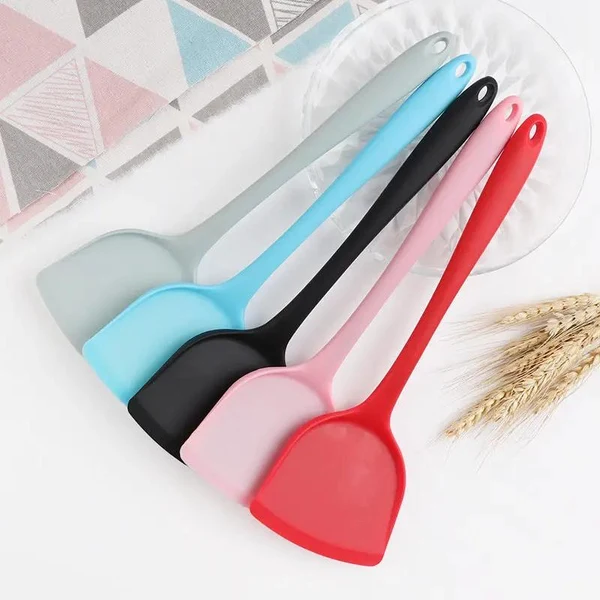
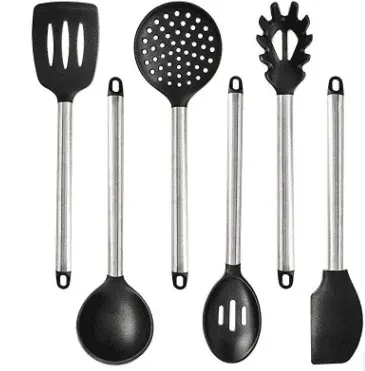
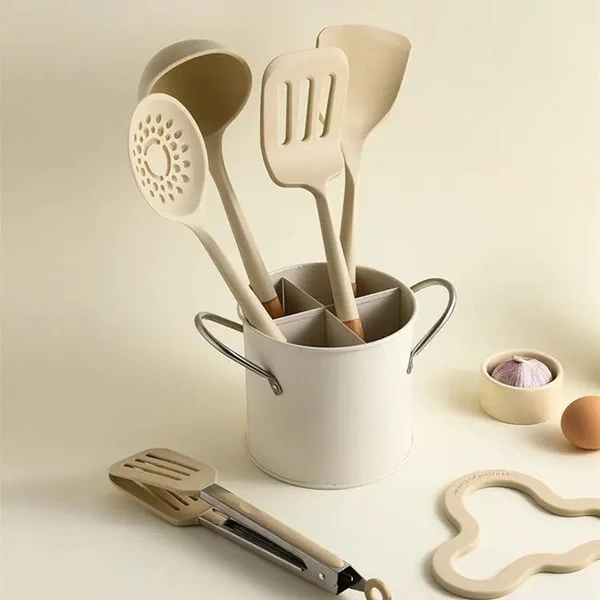
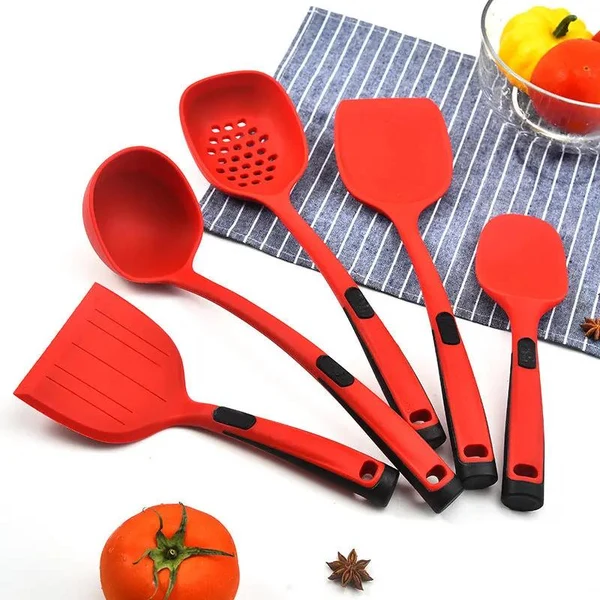
Cashymart Heat-Resistant Silicone Kitchen Utensil Set, 5 Pieces
Price range: £46.99 through £65.99 incl. VAT
Grey
Silver
White
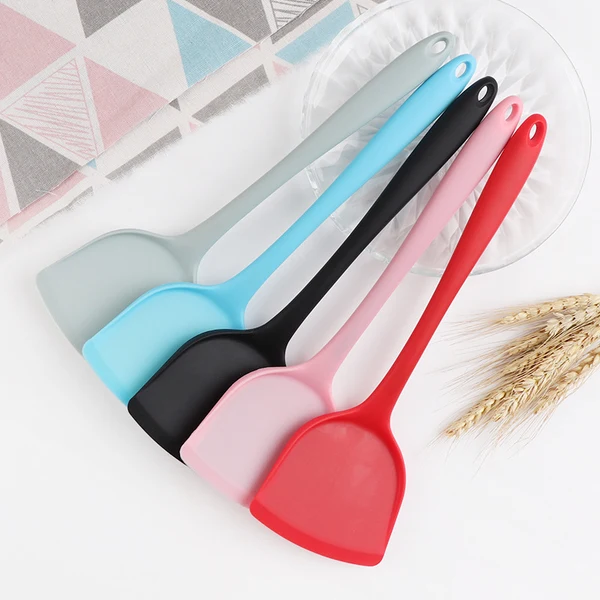
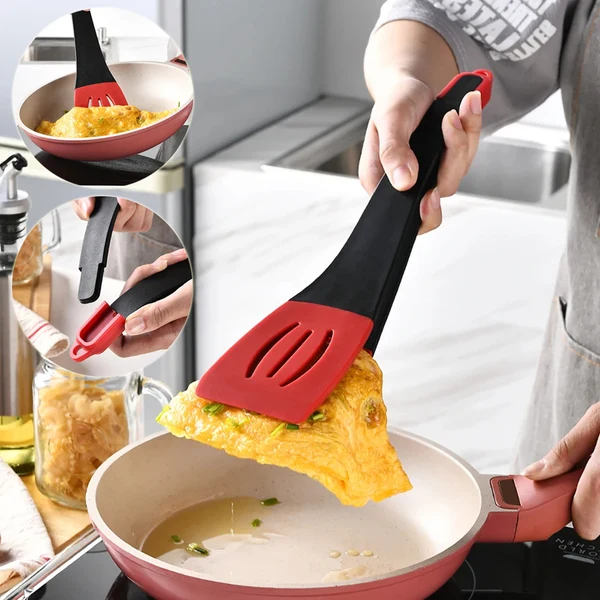
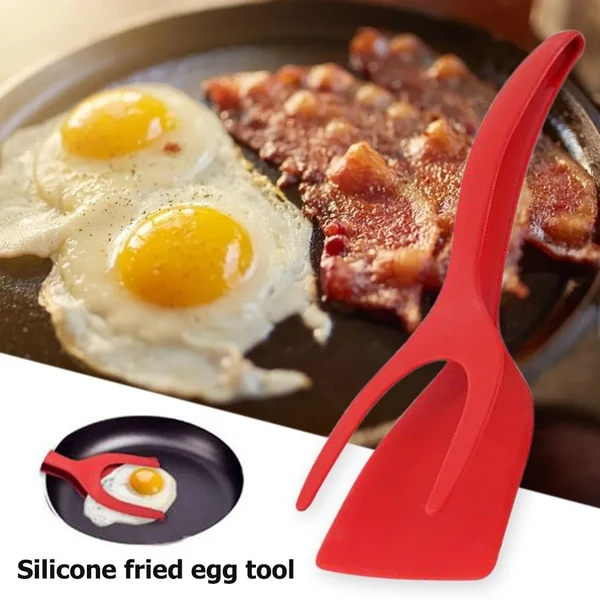
2-in-1 Grip and Flip Silicone Spatula Tongs
Price range: £17.99 through £29.99 incl. VAT
Black
Grey
Red
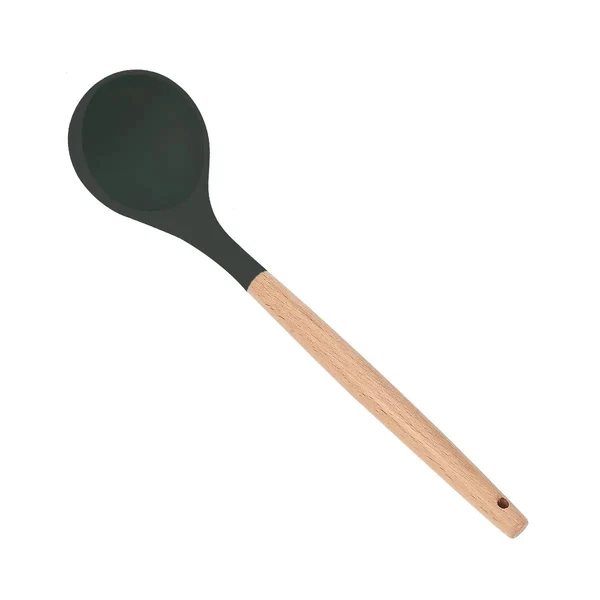
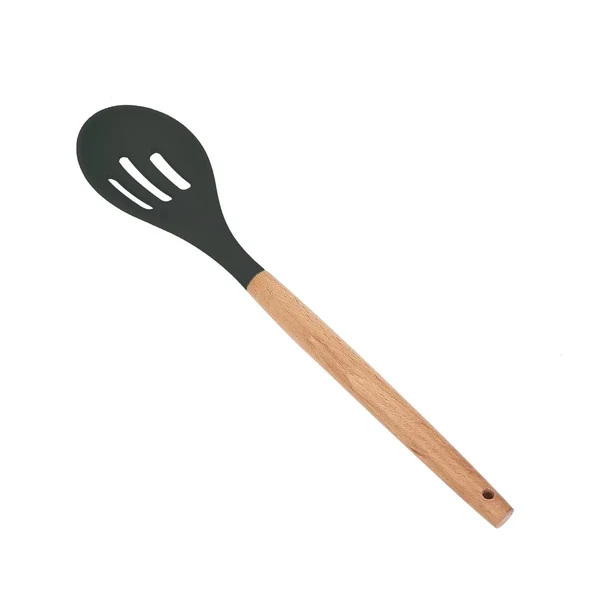
Dropshipman Wooden Handle Silicone Cooking Utensils Set
Price range: £10.99 through £40.99 incl. VAT
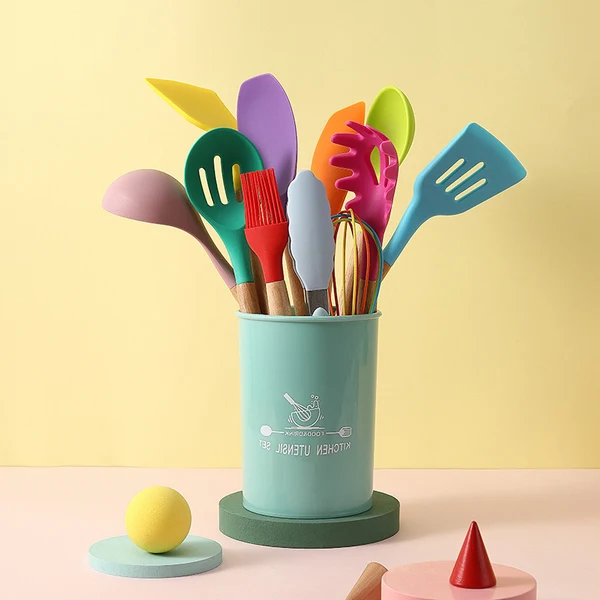
Silicone Kitchenware Cooking Utensil Set, Beech and Silicone
Price range: £72.99 through £73.99 incl. VAT
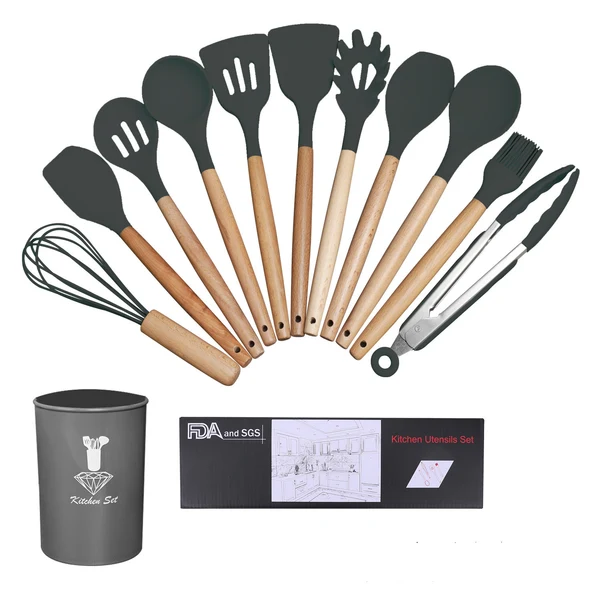
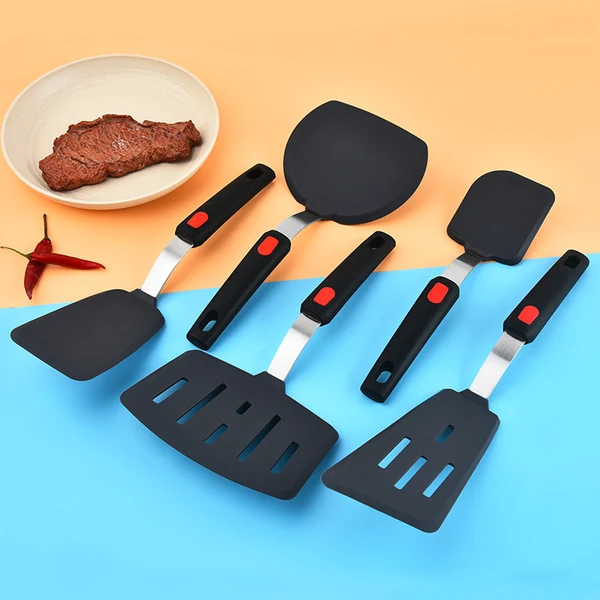
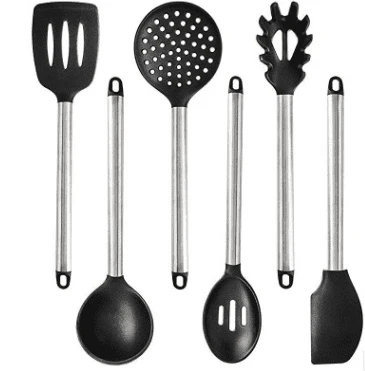
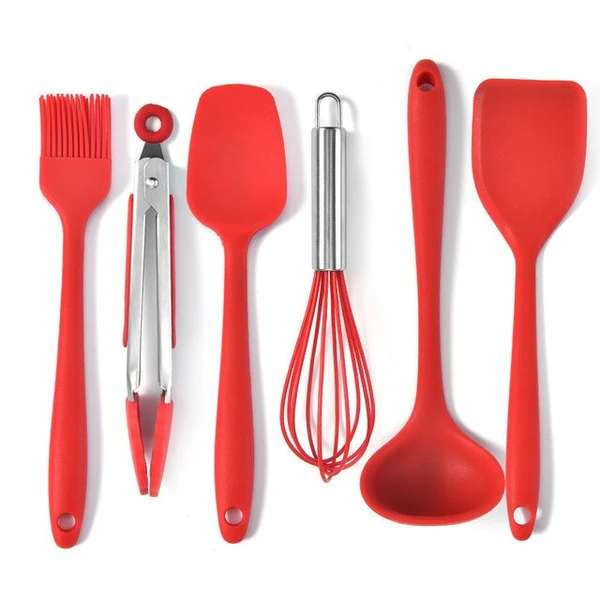
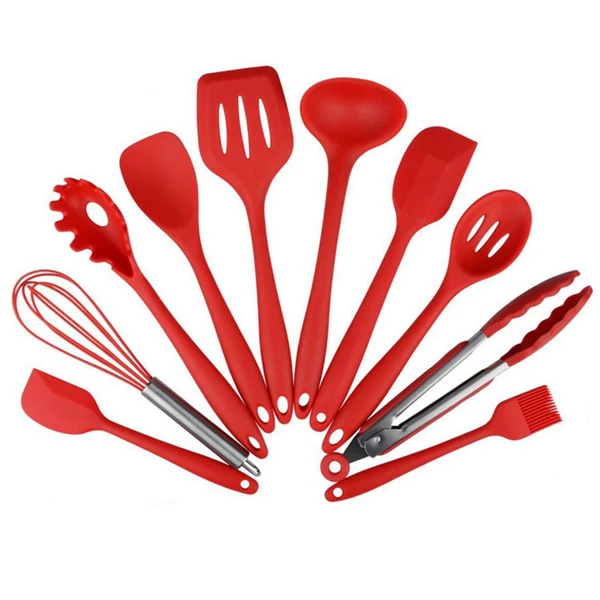
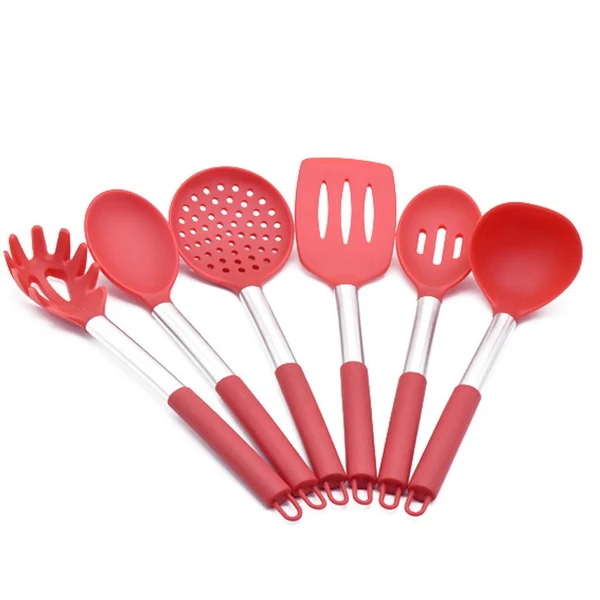
Upkeep varies by material, so check it before choosing silicone cooking utensils. Makers listed in this material: Selvanelle and Cate Maker. Care also covers storage: some materials prefer to be kept dry, flat or out of direct light.
Three steps to a clear choice
A short checklist for this collection.
How to choose
- Read the care instructions and choose a material whose upkeep suits your routine.
- Think about exposure to water, heat or sunlight where it will be used and kept.
- Check thickness or density, as both affect how the material holds its shape.
- Consider how readily the material shows marks, scratches or creases.
- Decide whether a mixed-material design suits you better than a single material.
Frequently asked questions
Will this material show marks?
Some materials show marks, scratches or creases more readily than others; for silicone cooking utensils, a textured or matt finish tends to hide everyday marks better than a glossy one.
Can this material vary from one item to another?
Yes: one material can come in different grades, blends and finishes, so silicone cooking utensils described the same way can still look and feel different.
Which other materials are there for this kind?
Comparing materials side by side shows the trade-offs in weight, feel and care. Other materials to compare: Wooden Cooking Utensils and Stainless Steel Cooking Utensils.