
Stoneware Dinnerware
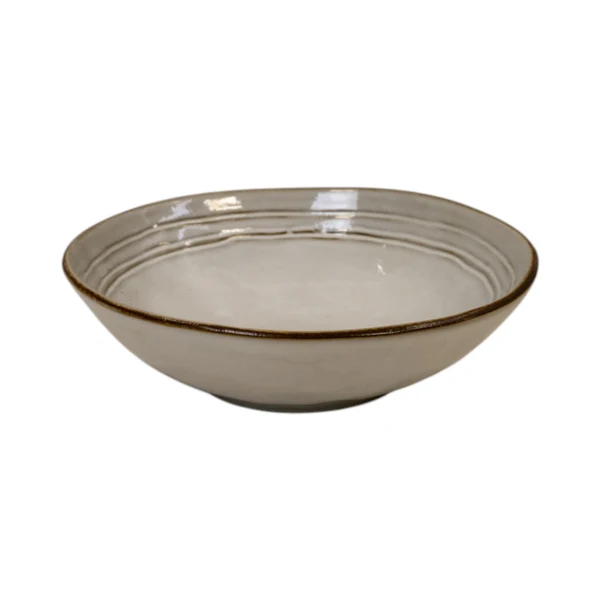
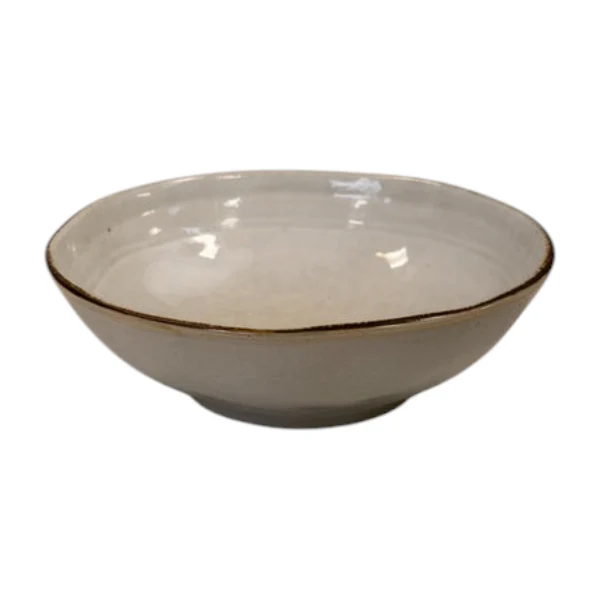
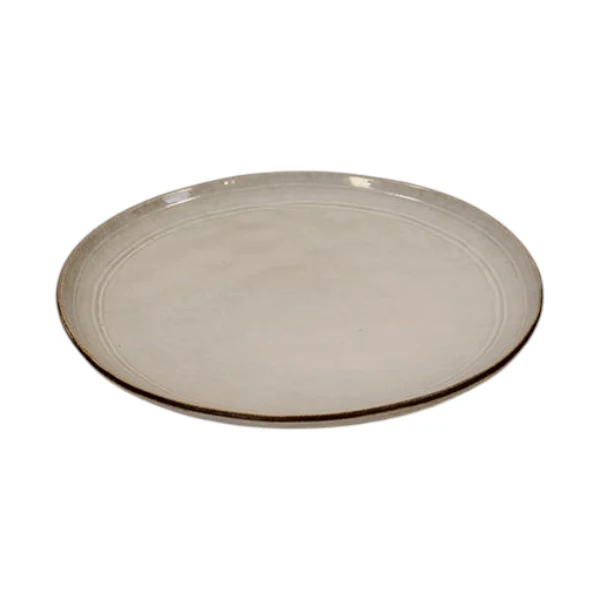
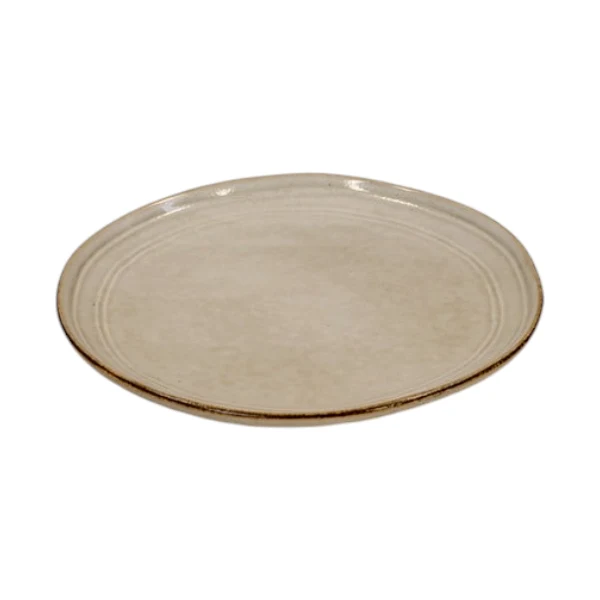
Know how the material behaves, and choosing stoneware dinnerware gets simple. Other materials to compare: Porcelain Dinnerware and Ceramic Dinnerware.
Three steps to a clear choice
A short checklist for this collection.
How to choose
- Decide whether a mixed-material design suits you better than a single material.
- Match the material to the job first and to your taste second.
- Think about exposure to water, heat or sunlight where it will be used and kept.
- For frequent use, choose a forgiving material that is easy to clean.
Frequently asked questions
What is the difference between stoneware and porcelain dinnerware?
Stoneware has a heavier, tactile glaze suited to casual meals, while porcelain feels lighter and finer on the table.
What should I know about natural variation in stoneware dinnerware?
Where the material is natural, slight differences in colour, grain or texture are normal in stoneware dinnerware and part of its character.
What does a blend mean for stoneware dinnerware?
A blend combines materials to balance properties such as feel, strength and care; for stoneware dinnerware, read the description to see what each component brings.
Does the finish matter for stoneware dinnerware?
Yes: in stoneware dinnerware, a sealed, coated or polished finish changes how the material looks, feels and copes with everyday use.
Why choose stoneware dinnerware?
People choose stoneware dinnerware for the look, feel and care routine the material brings; compare those points with other materials to see whether it suits you.