
Non-Stick Bakeware
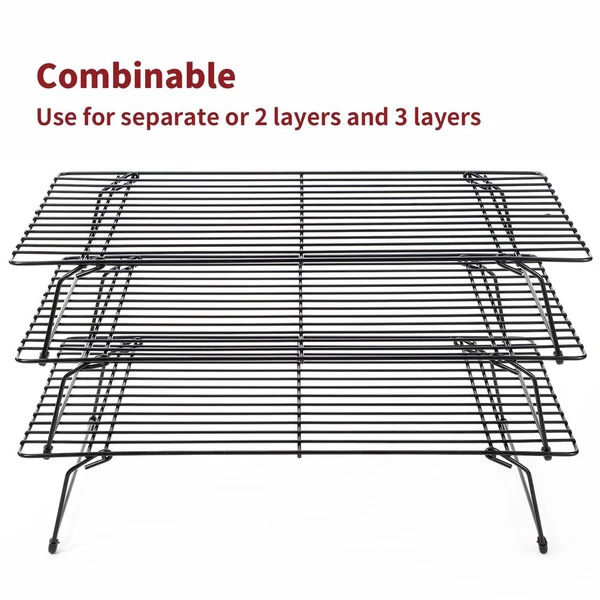
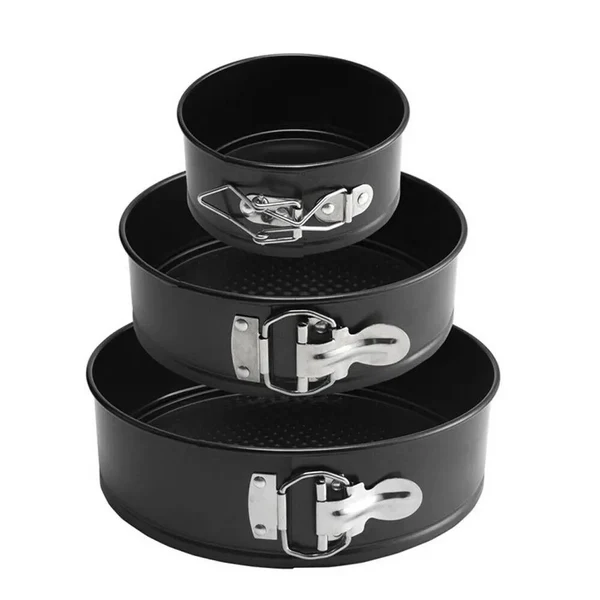
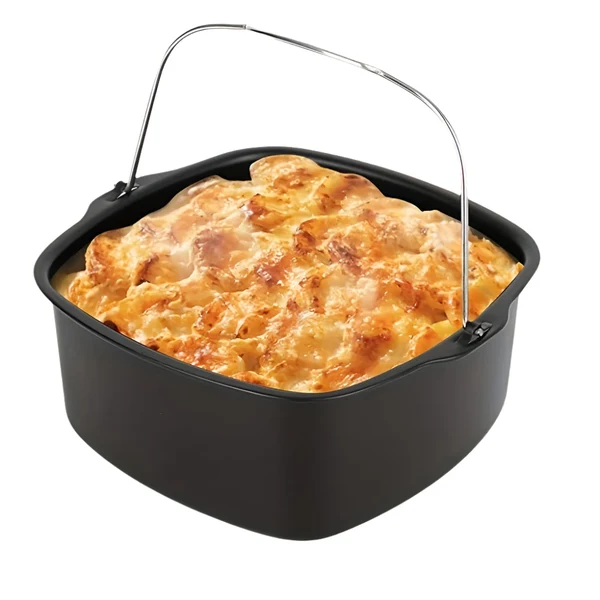
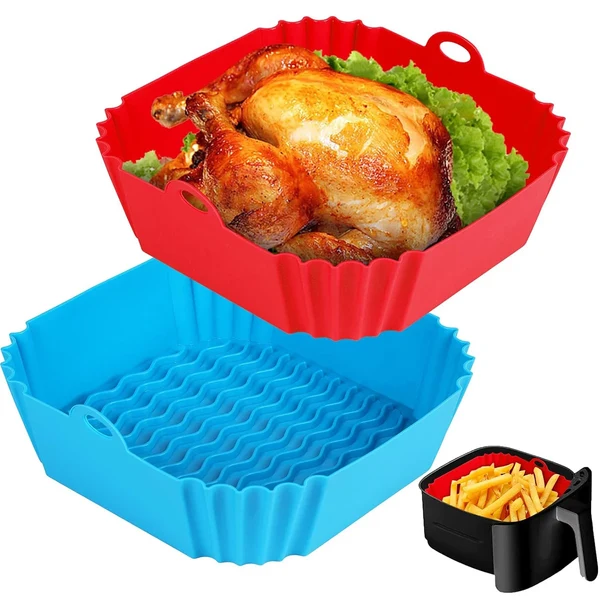
Know how the material behaves, and choosing non-stick bakeware gets simple. Care also covers storage: some materials prefer to be kept dry, flat or out of direct light.
Three steps to a clear choice
A short checklist for this collection.
How to choose
- Think about texture and how the material feels to the touch.
- Consider how readily the material shows marks, scratches or creases.
- Check exactly what the material is, including any blend, coating or finish.
- Expect slight variation in colour and texture if the material is natural.
- Check thickness or density, as both affect how the material holds its shape.
Frequently asked questions
Which kitchen utensils are safest for non-stick pans?
Silicone, nylon, and smooth wooden utensils protect non-stick coatings from scratches during stirring and turning.
What should I check when giving non-stick bakeware as a gift?
When giving non-stick bakeware, check that the material's care needs suit the person receiving it, and choose a finish that is easy to live with.
Will this material show marks?
Some materials show marks, scratches or creases more readily than others; for non-stick bakeware, a textured or matt finish tends to hide everyday marks better than a glossy one.
Which other materials are there for this kind?
Comparing materials side by side shows the trade-offs in weight, feel and care. Other materials to compare: Ceramic Bakeware and Silicone Bakeware.
What should I know about natural variation in non-stick bakeware?
Where the material is natural, slight differences in colour, grain or texture are normal in non-stick bakeware and part of its character.